How to Use Local Language Content in AI Search
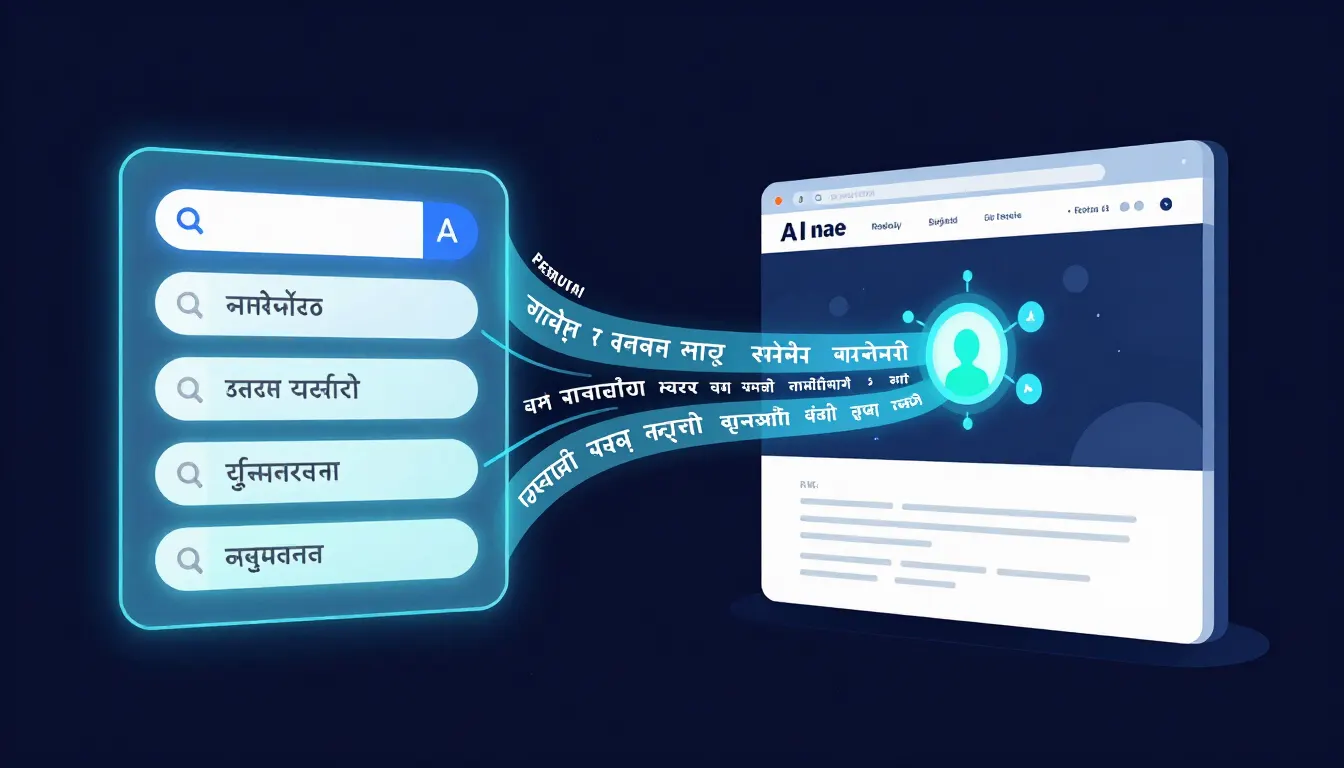
Local language content is content written in the language or dialect your customers actually speak in a specific region. In AI search, it matters because generative engines like Google AI Overviews, ChatGPT, and Perplexity increasingly answer questions in the user's language and pull from sources that match that language and regional context. If your site only publishes in English but your customers ask questions in Hindi, Marathi, Tamil, or a mixed regional phrasing, you reduce the chance that an AI engine reads, understands, and cites you for those queries.
Quick Answer: How Do You Use Local Language Content in AI Search?
Publish clear, answer-first content in the language your local audience uses to ask questions, structure it with the same headings, lists, and schema you use for English pages, and keep entity details (business name, services, locations) consistent across every language version. Do not machine-translate blindly; write or review each version so the answer reads naturally to a local speaker. Link language versions together so AI engines understand they describe the same entity.
This guide is part of our AI Visibility cluster. If you are new to the field, start with what is AI SEO and how to build AI search visibility first.
Table of Contents
- Why local language content matters in AI search
- When local language content helps (and when it does not)
- How AI engines handle multilingual content
- A practical local language content workflow
- Structuring local pages for AI comprehension
- Common mistakes
- Best practices
- FAQs
Why Local Language Content Matters in AI Search
Generative answer engines do not just match keywords. They try to understand intent and produce an answer in the language and frame the user used. When someone asks a question in Hindi or a regional language, the engine prefers sources written in that language because they are more likely to contain a natural, extractable answer and the right cultural context. A page that only exists in English may be skipped even if it ranks well in traditional results.
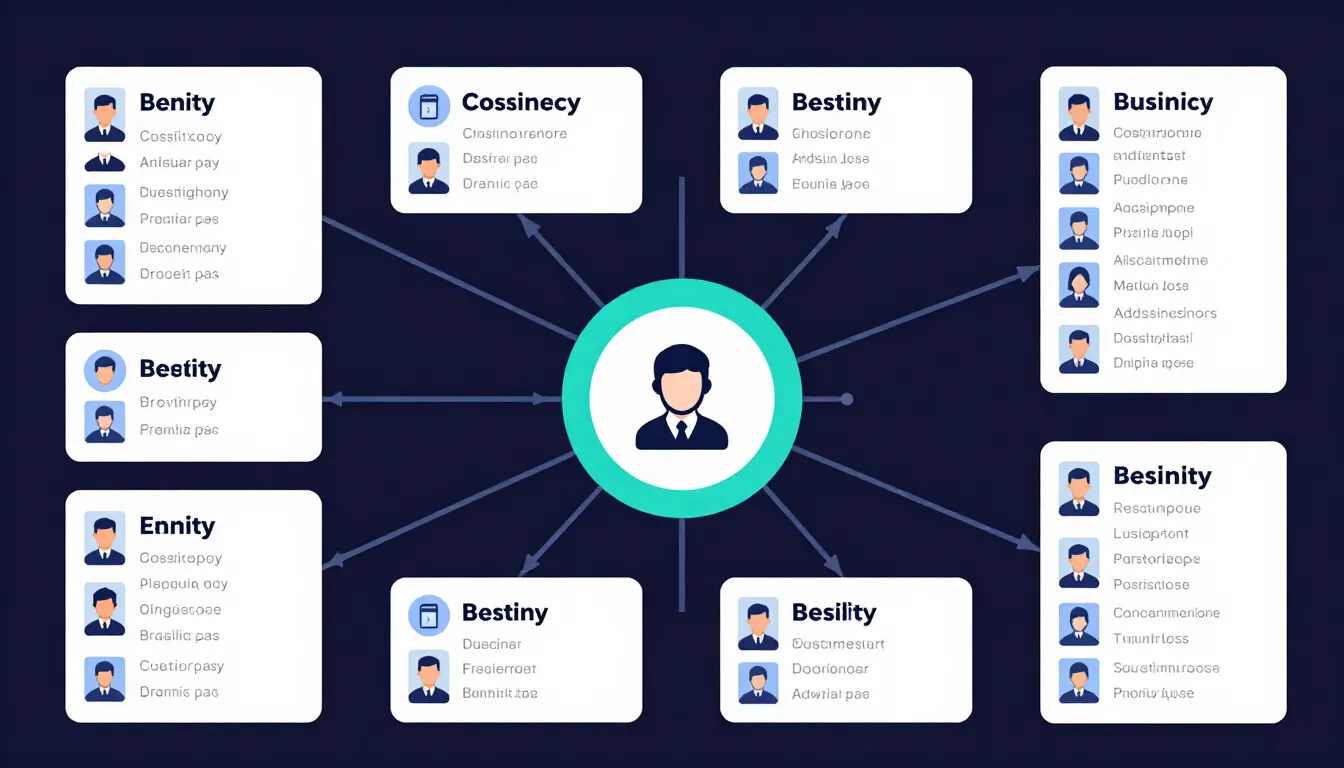
Local language content also strengthens your entity. When the same business is described consistently in English and in regional languages across your site and the wider web, AI models form a clearer picture of who you are and which communities you serve. This connects to entity SEO and the way knowledge graphs represent businesses.
When Local Language Content Helps (and When It Does Not)
Local language content helps when your audience genuinely searches in that language, when regional intent differs from English intent, and when competitors have not covered the topic in that language. It does not help when there is no real demand, when the translation is poor, or when you publish thin pages just to have a language version. AI engines reward useful, clear content, not the mere existence of a translated page.
- Helps: service pages for a city where customers ask questions in the regional language.
- Helps: FAQ pages answering questions in the phrasing locals actually use.
- Does not help: auto-translated pages with no review that read unnaturally.
- Does not help: duplicate language pages with no unique answer or intent.
How AI Engines Handle Multilingual Content
Google's Search Central guidance on AI Overviews emphasizes helpful, people-first content, and the same principle applies across languages. Generative models can read multiple languages, but comprehension and citation are strongest when the content is clear, well-structured, and matches the query language. Hreflang and clear language declarations help engines route users to the right version, but they do not by themselves make a weak page citable.
Treat each language version as a real page that must earn its place through clarity and usefulness, not as a translation checkbox. For the broader framework, see answer engine optimization.
A Practical Local Language Content Workflow
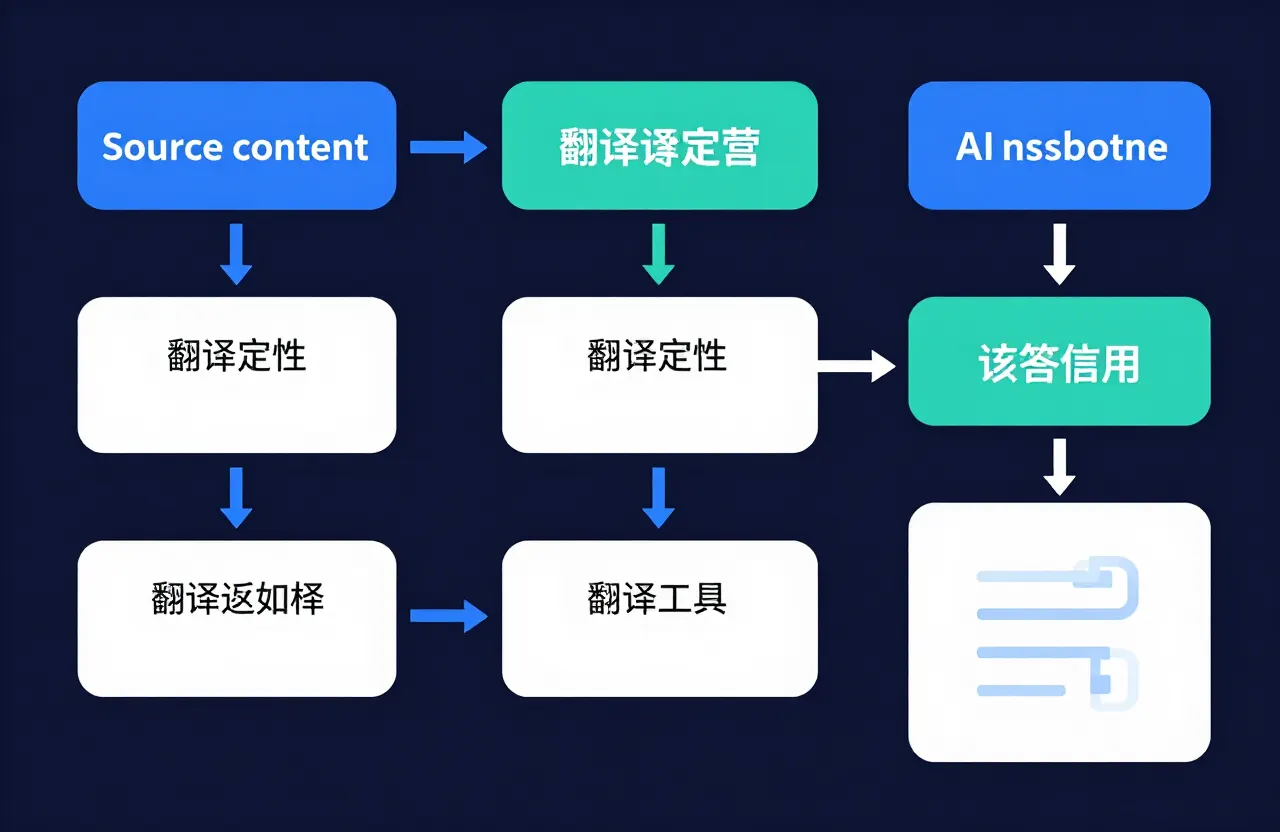
- Find real local questions: Collect the actual phrasings people use in your region, from customer calls, search suggestions, and local forums. Do not guess.
- Choose priority pages: Start with one service page and one FAQ page for a city where language demand is clear. Expand only after those work.
- Write or review in the local language: Have a fluent speaker write or review the answer so it reads naturally. Machine translation is a draft, not a finish line.
- Keep the answer first: Put a direct 40 to 60 word answer right after the heading, then expand with examples and steps.
- Structure consistently: Use the same headings, lists, and schema as your English pages. Add Article and FAQ schema in the local language.
- Connect language versions: Use hreflang and descriptive cross-links so engines understand the pages describe the same entity.
- Check AI visibility: Ask your target questions in the local language in Google, ChatGPT, and Perplexity. Note which sources appear and refine.
Structuring Local Pages for AI Comprehension
The structure that helps AI engines in English helps them in every language. Question-style H2s, short paragraphs, lists, and tables make the answer easy to extract. Keep your business name, services, and location identical across language versions so the entity stays consistent. Add schema markup in the local language where supported, and make sure the page is crawlable and fast.
If you serve a specific city, pair this with a strong local presence. Our local SEO services cover the local fundamentals that make language content more effective.
Common Mistakes
- Publishing machine-translated pages with no human review.
- Creating language versions with no unique answer, just duplicated text.
- Inconsistent business name or address across language versions, which confuses entity understanding.
- Forgetting hreflang, so engines cannot route users to the right version.
- Assuming a language page will be cited just because it exists.
Best Practices
- Write for the local speaker first, the AI engine second. Clarity for humans produces clarity for models.
- Keep entity details identical across every language version.
- Use real local phrasings in headings and FAQs, not literal translations of English keywords.
- Start small, measure which language pages get cited, then expand the cluster.
- Maintain the same technical quality as your English pages: speed, indexing, schema.
Conclusion
Local language content is not a translation exercise. It is a way to make your expertise available in the language your customers use to ask questions, so AI engines can read, understand, and cite you for regional intent. Write or review each version with a fluent speaker, keep your entity consistent, and structure every language page as clearly as your best English page.
To put this into a structured plan, explore our AI SEO services and local SEO services, or book a free SEO consultation. For more from this cluster, read how to build AI search visibility, entity SEO explained, and answer engine optimization.
Ready to Implement This Strategy?
Stop reading and start executing. Explore our Data-Driven SEO Services or book a direct strategy call.
Book Your Strategy AuditFrequently Asked Questions
Transform Insights into Revenue
Partner with an AI-driven consultant to map out a measurable growth system specifically for your brand.

Jagmohan Kurmi
AI-Driven Full-Stack Digital Marketer
Jagmohan Kurmi helps Indian businesses grow with SEO, local SEO, Google Ads, Meta Ads, WordPress websites, AI visibility, lead generation, content strategy, AI tools training, and performance-focused digital marketing systems. As an AI SEO Expert in India, I specialize in Answer Engine Optimization and data-driven performance marketing using my M.Tech in Industrial Engineering and Management framework.