Crawlability is the gate before everything else in AI search. This guide covers what crawling actually is, how it differs from indexing and ranking, and the specific access issues that keep pages out of AI answers.
AI search did not replace technical SEO; it raised the stakes on it. This guide covers the technical foundations AI retrieval depends on, and what no technical fix can guarantee.
Internal links are how your site tells an engine what its own pages are about and how they relate. This guide covers anchor text, pillar and supporting clusters, crawl paths, and orphan pages for AI search.
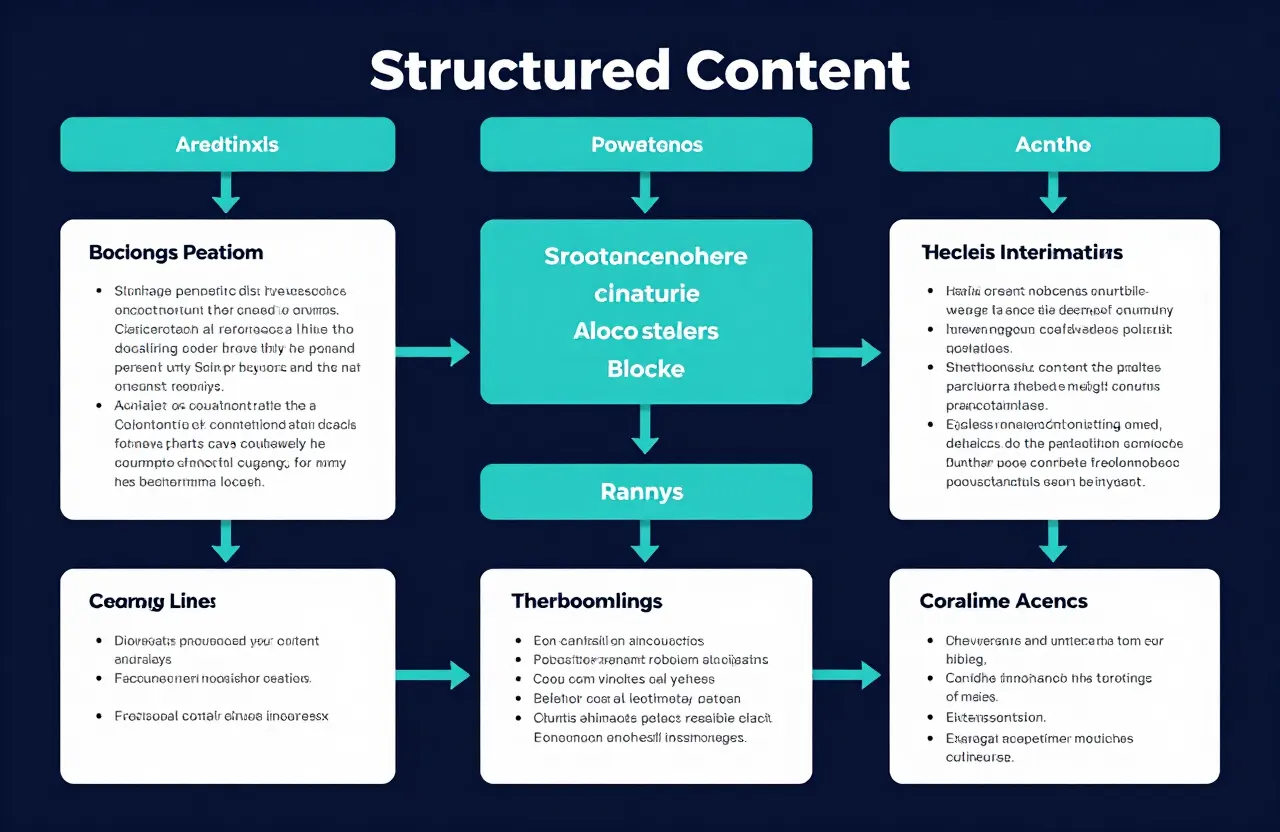
Structure decides whether an AI engine can lift your answer cleanly or has to paraphrase you badly. This guide covers the specific structural patterns that make content extractable for AI search and AEO.
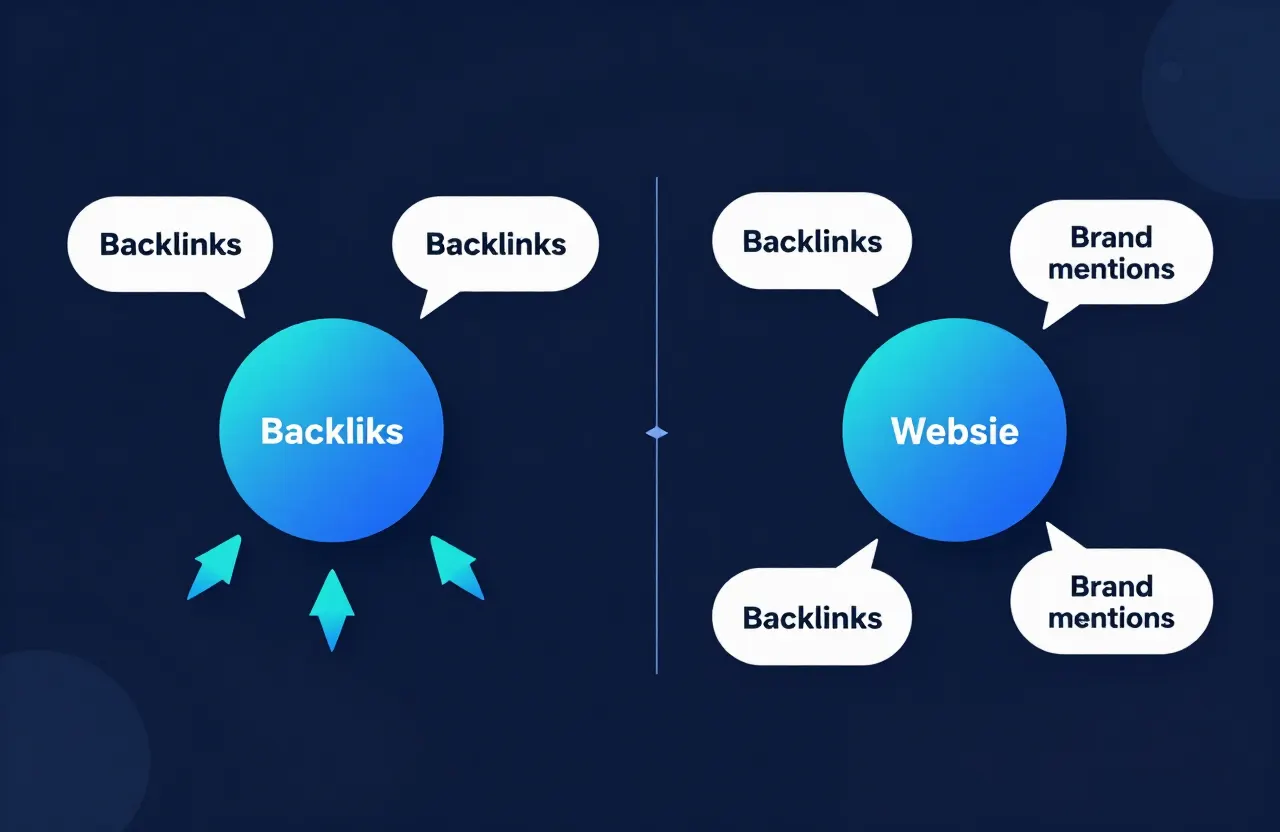
Backlinks built the last twenty years of SEO; brand mentions are shaping AI search. This guide compares them honestly, what each signal tells an engine, when each matters, and why the real answer is both.
Readable content is not the same as understandable content. This guide covers the specific practices that make a page comprehensible to AI engines: structure, direct answers, defined terms, explicit entities, and verifiable facts.
Citations flow in two directions in AI search: engines citing you, and you citing sources. This guide explains both, what the evidence actually supports, and what to do about each.
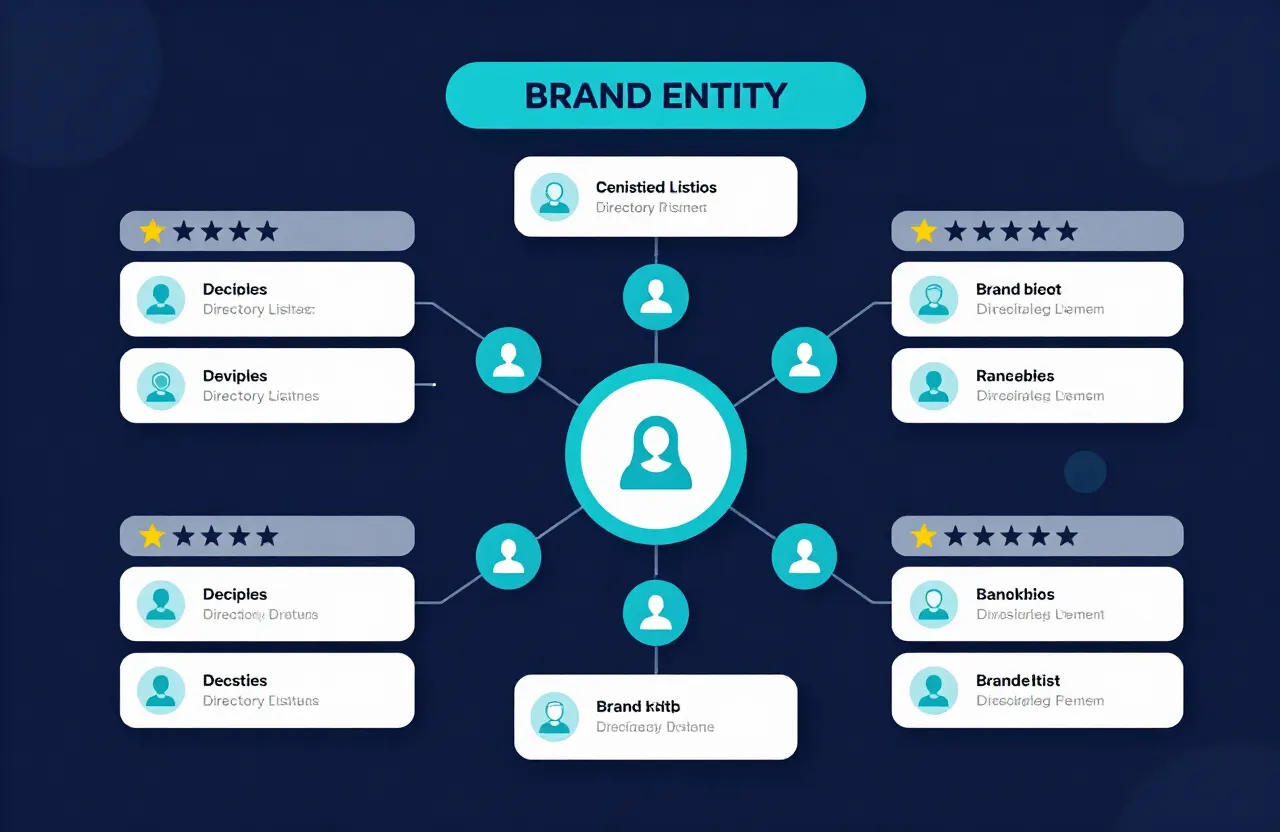
Brand entity signals are the evidence AI engines use to recognize your business as a distinct, trusted thing. This guide covers each signal, how to build it legitimately, and which ones actually matter.
Entity SEO and AI search visibility are connected through one mechanism: confidence. This guide explains how each entity practice feeds the pipeline that decides whether AI engines can describe and cite you accurately.
An AEO audit asks one question: can an AI answer engine extract a clean answer from your content? This checklist diagnoses answer position, completeness, question coverage, schema, and extraction.
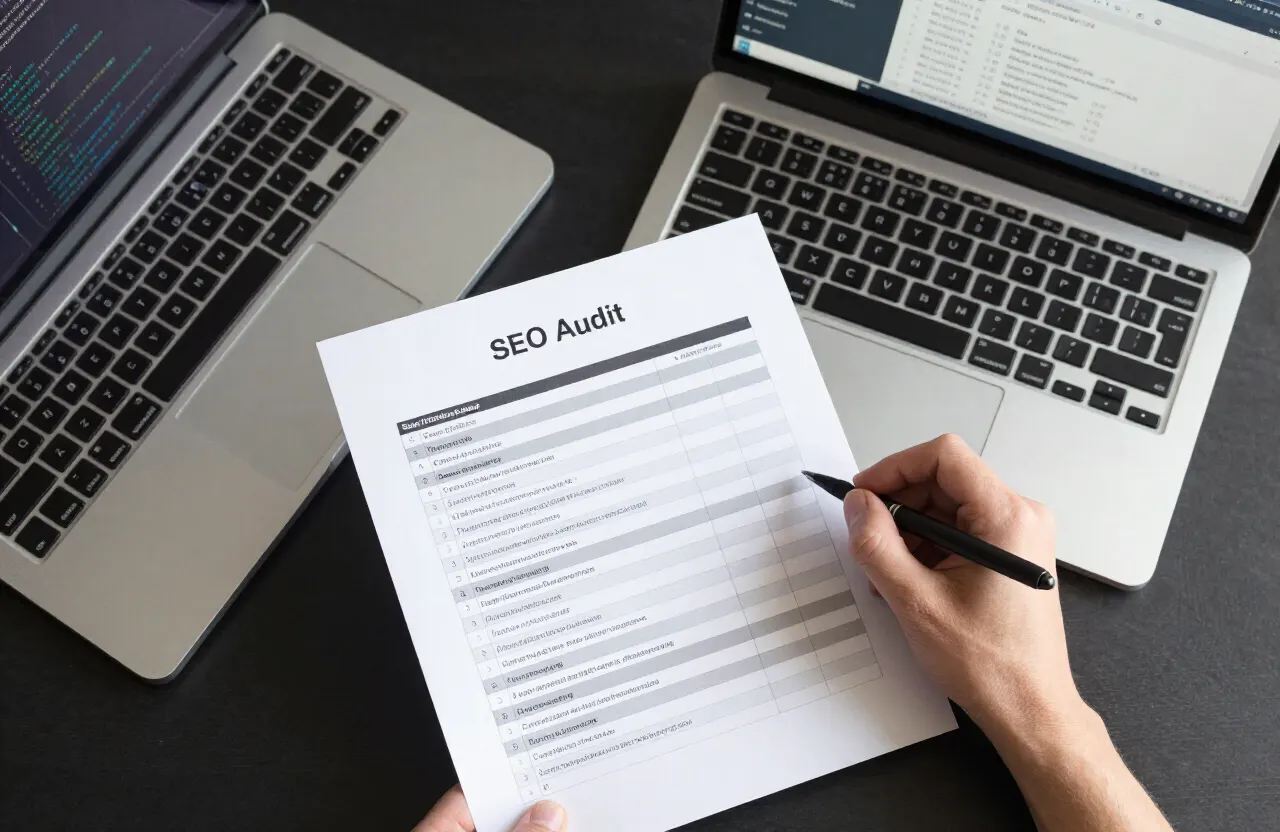
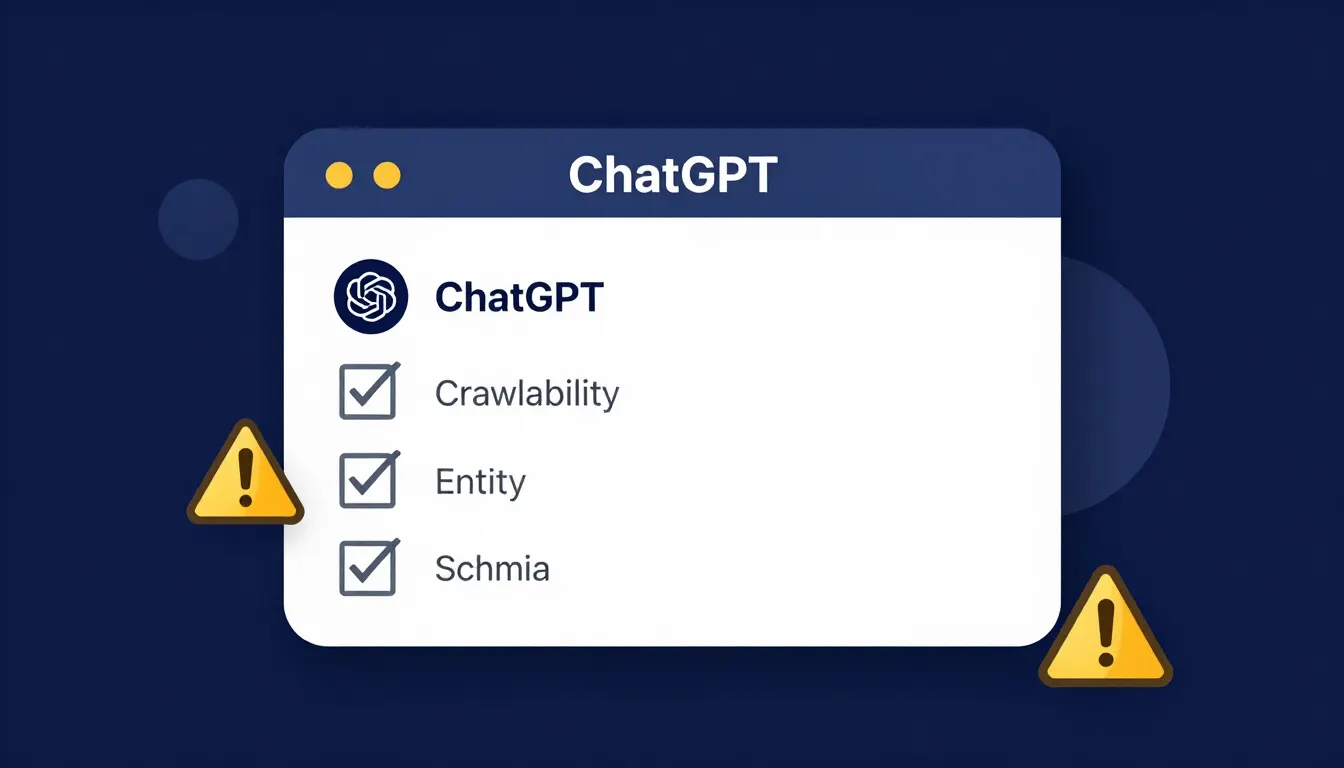
An audit checklist is a diagnostic, not a to-do list. This framework walks through technical SEO, content, entities, schema, and crawlability to find exactly what is blocking your AI search visibility.
Before you invest in AI SEO, run a 30-minute check. This guide shows exactly what to type into Google, ChatGPT, Gemini, and Perplexity, what to look for, and how to read what you find without over-interpreting it.
Oct 1, 2026 10 min read
Nobody outside the AI companies knows the exact formula. But the pipeline is observable, and the factors that consistently matter, clarity, entity confidence, corroboration, and relevance, can be worked on.
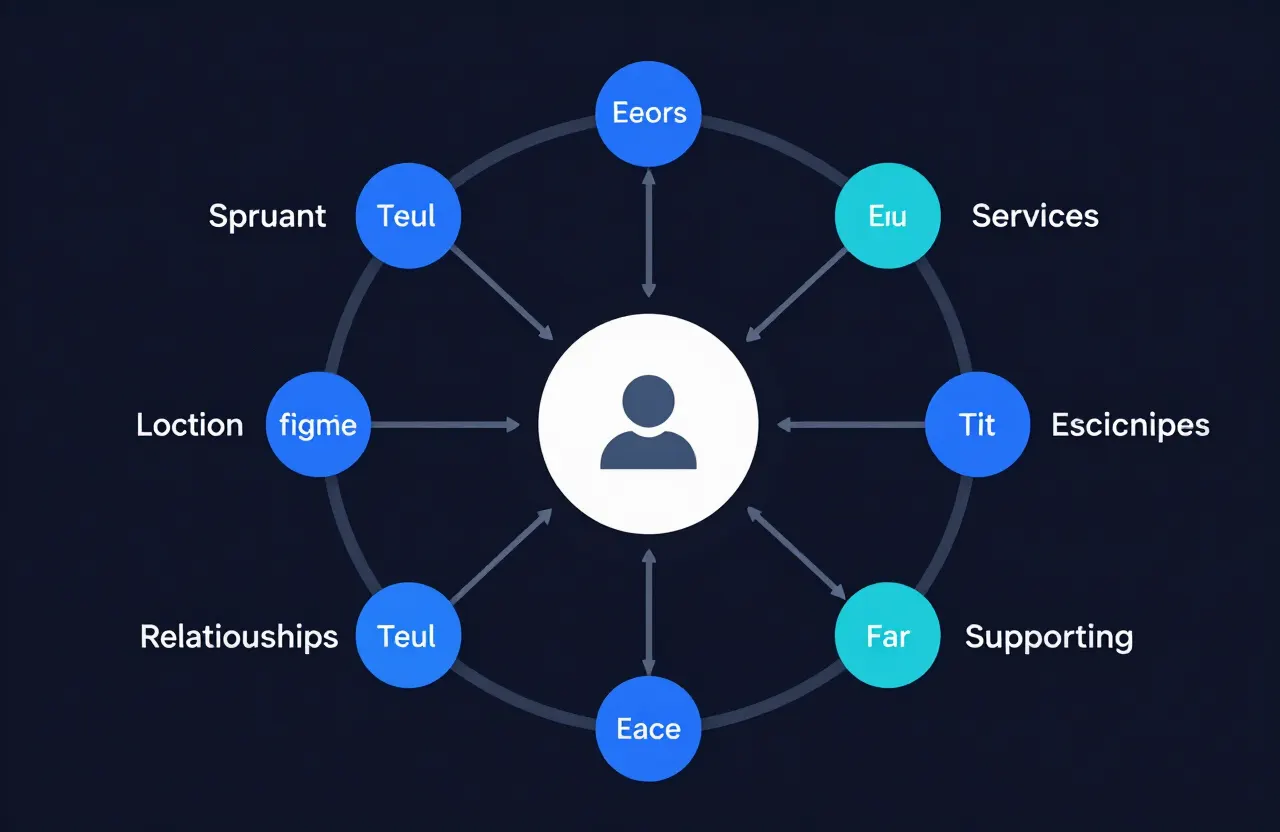
AI engines build a picture of your business from signals scattered across the web. This guide shows how to make that picture clear: canonical facts, plain service descriptions, location signals, and corroborating mentions.
Making a website ready for AI search is implementation work, not theory. This guide walks through the actual sequence: fix technical access, restructure answers, define your entity, add schema, then test and iterate.
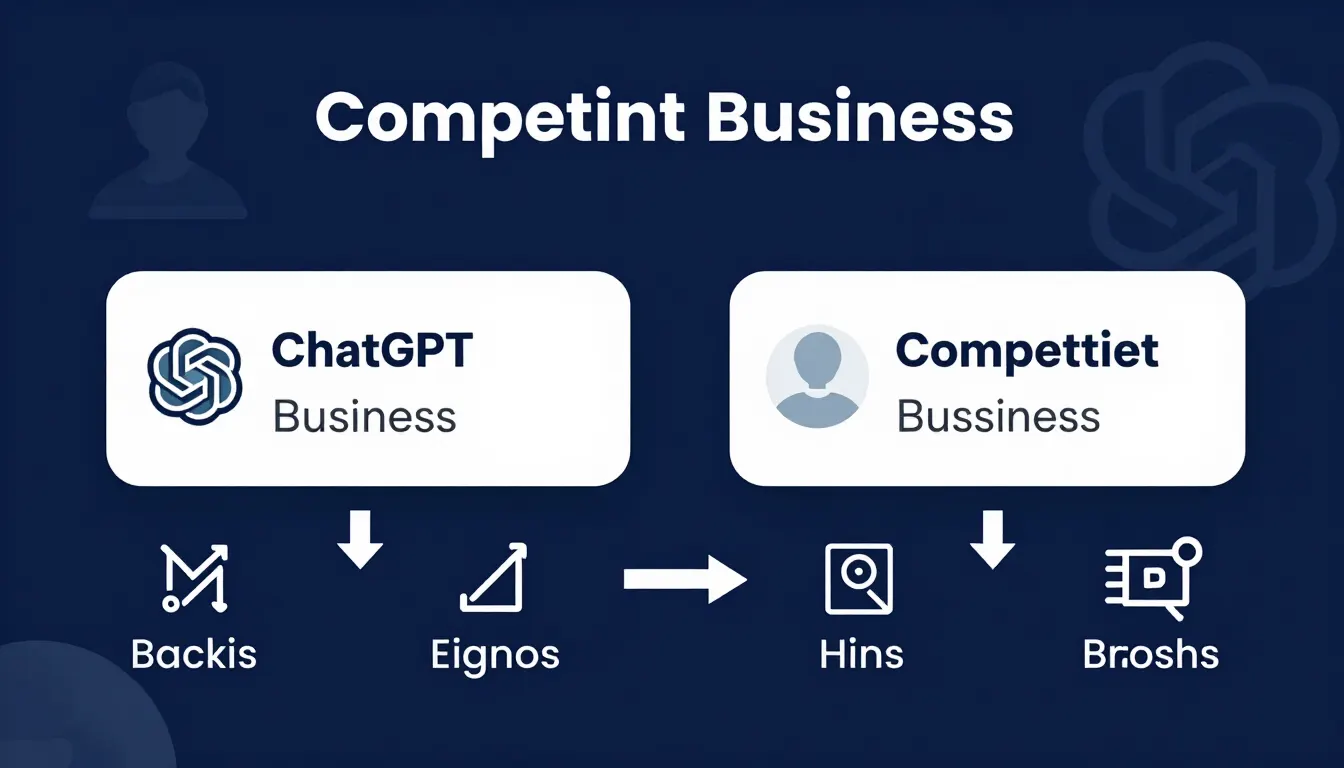
When ChatGPT recommends a competitor, it is telling you something specific about their footprint versus yours. Here is how to read that gap and what is actually worth doing about it.
If ChatGPT never mentions your business, there is usually a specific, findable reason. This guide walks through the likely causes in the order they are worth checking.
ChatGPT and Perplexity both answer from the web, but they weight sources differently. This guide covers the shared foundation that helps you show up in both, and where they diverge.
Perplexity shows its sources, which makes it the most transparent of the AI answer engines. This guide explains how to become a source it is willing to cite and recommend.
Gemini is tied to Google, so being recommended by it starts with being understood by Google. This guide explains what is specific to Gemini and what carries over from solid SEO.
ChatGPT recommends businesses when it can confidently connect a clear entity to a category. This guide explains the signals that make a recommendation more likely, and why no one can guarantee one.
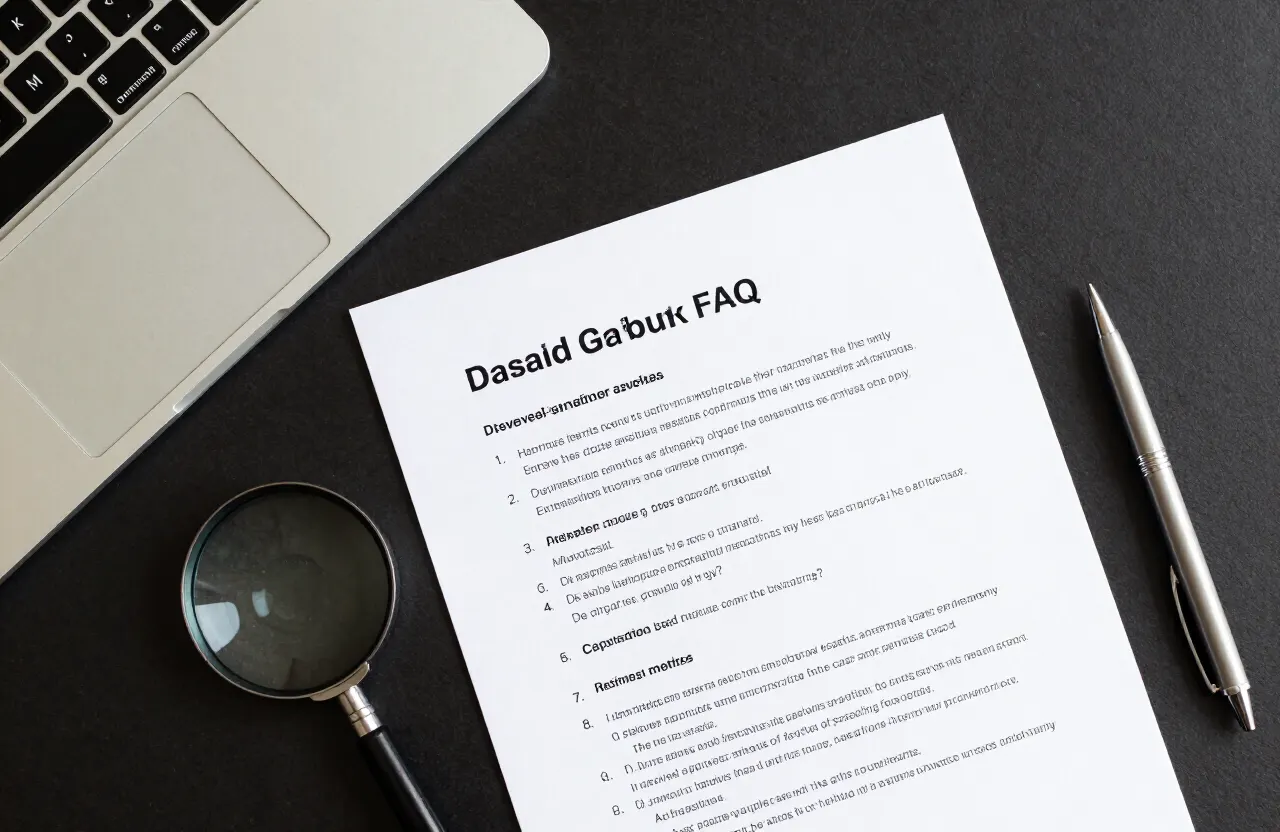
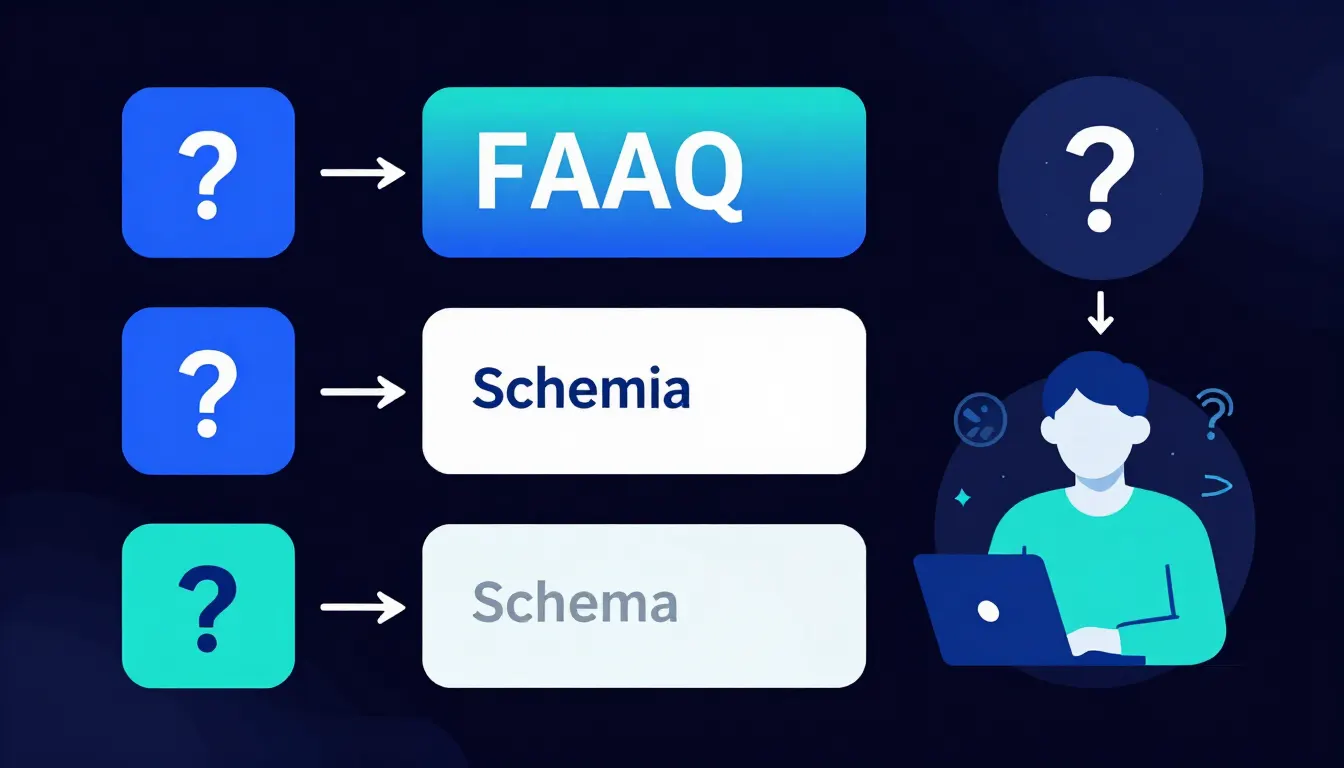
FAQ content is tailor-made for answer engines. This guide covers how to research real questions, write answer-first responses, structure FAQ pages, and add FAQ schema that helps AI engines extract and cite you.
AI engines build a picture of your business from many sources. This guide covers how to keep your name, address, phone, services, and brand attributes consistent everywhere so the model understands you correctly.
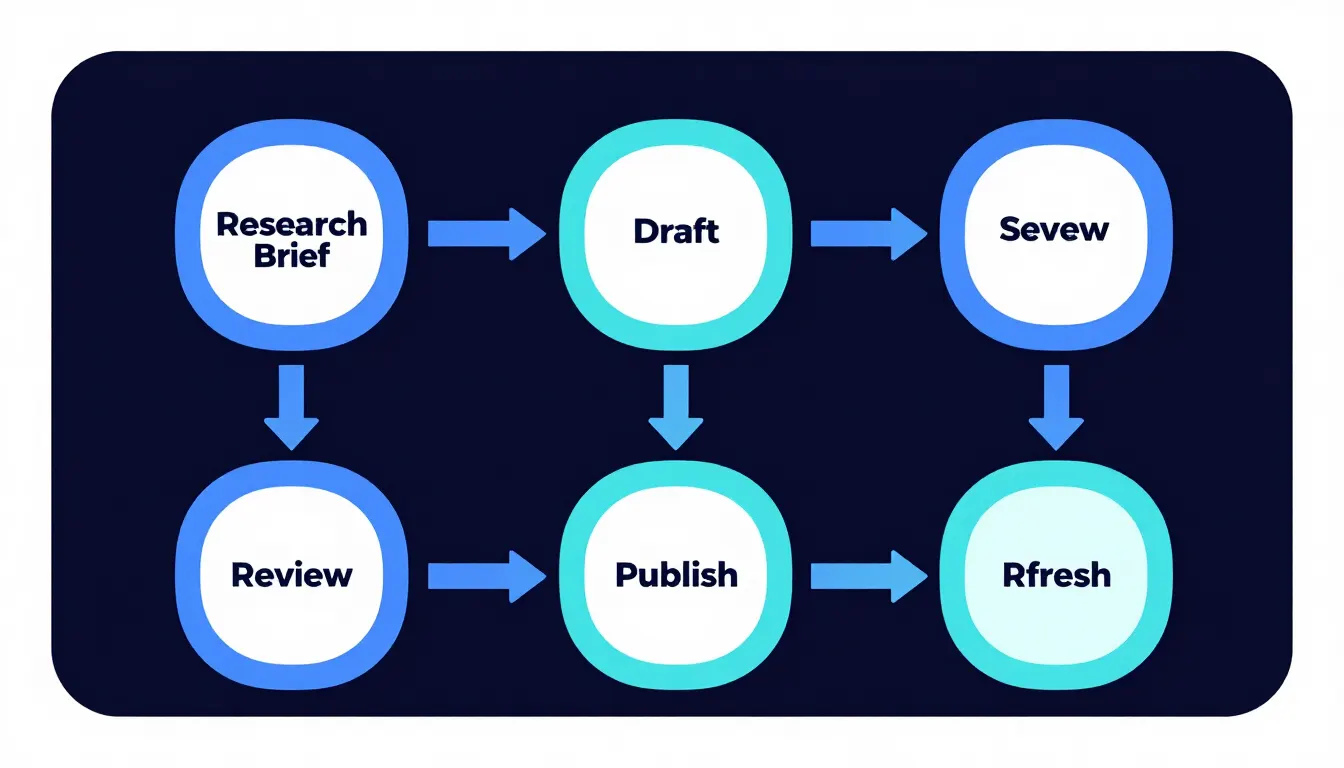
AI-ready content is not written by accident. This guide walks through a complete production workflow, from research brief to draft, review, publish, and refresh, that consistently produces clear, citable pages.
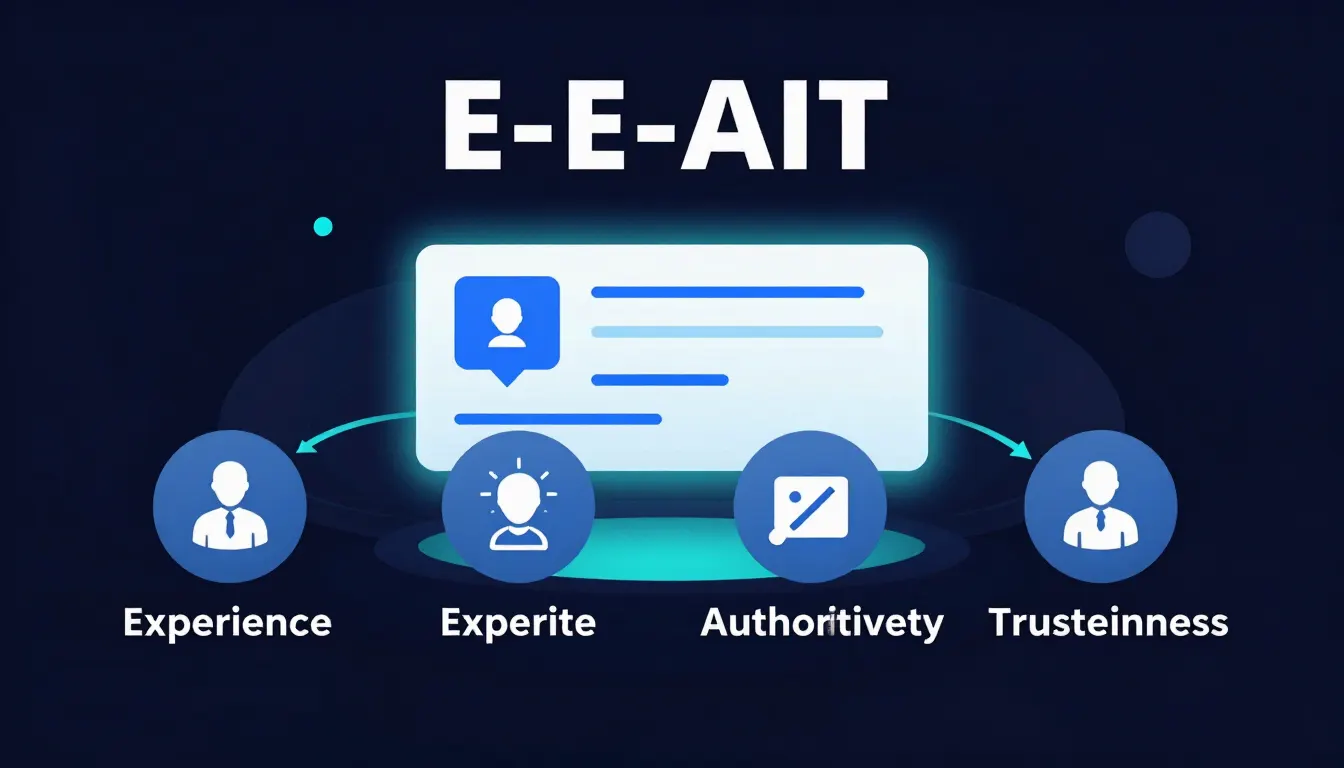
AI engines weigh trust heavily. This guide explains how to demonstrate Experience, Expertise, Authoritativeness, and Trustworthiness through content, structure, and evidence, without faking credentials.
AI search visibility cannot be measured with rankings alone. This guide covers what to track, how to test manually, which metrics matter, and how to report progress honestly without invented numbers.
AI search is evolving fast. This guide shows how to adapt your strategy responsibly, what to keep, what to change, how to monitor official guidance, and how to avoid hype.
Customer reviews feed AI search answers as ratings, sentiment, and quoted detail. This guide explains how reviews influence AI outputs and how to earn and manage them honestly.
Businesses make predictable mistakes with AI SEO, from chasing hype to neglecting fundamentals. This guide lists the most common ones and gives a clear fix for each.
Local businesses can improve AI search visibility by keeping business information consistent, earning genuine reviews, clarifying their service area, and writing answer-first local content. Here is how.
AI search is changing how customers discover businesses, from clicking links to asking questions and reading synthesized answers. This guide explains what changed and what to do about it.
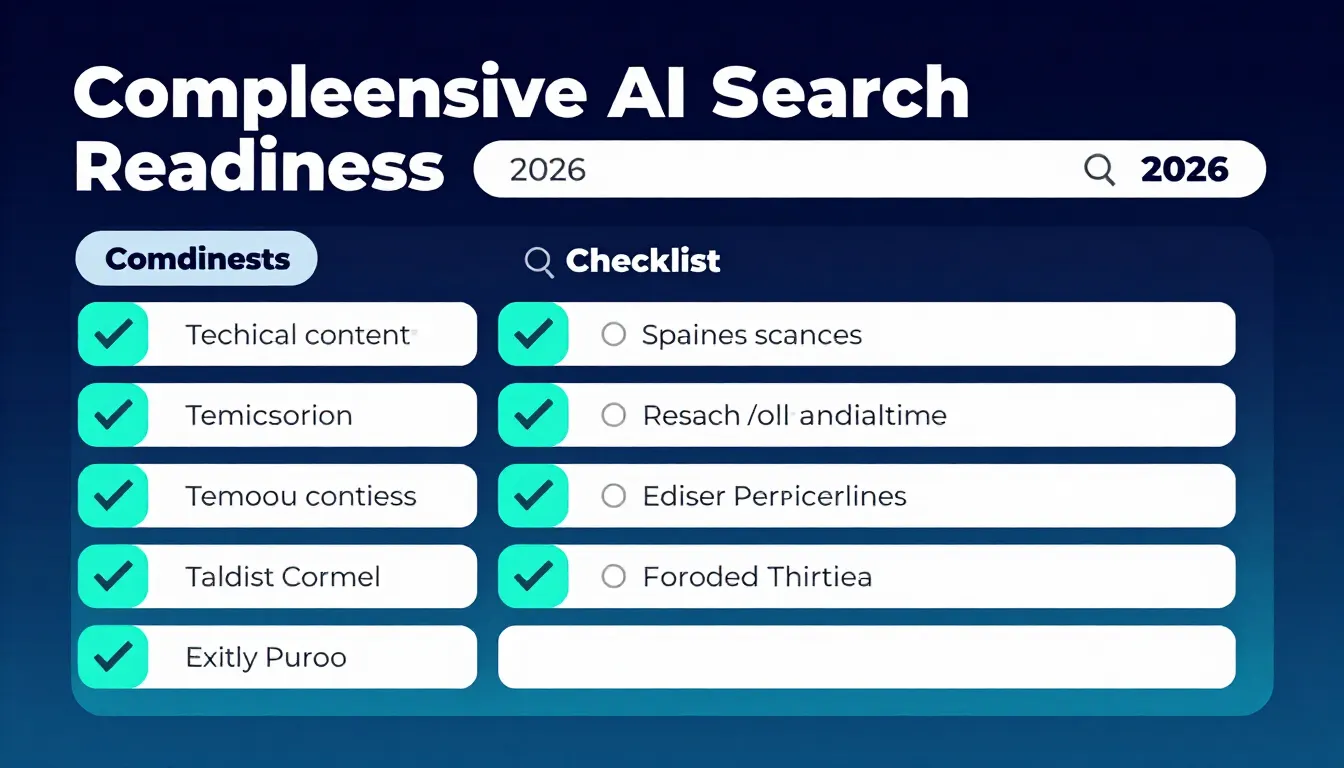
A practical AI search readiness checklist for 2026 covering technical, content, entity, schema, authority, and monitoring dimensions so you can assess and improve AI visibility.
Definitions are the building blocks answer engines extract first. This guide shows how to structure, write, and mark up definitions so AI engines cite yours over competitors.
AI search content governance keeps a marketing team producing consistent, accurate, AI-readable content at scale. This guide covers roles, standards, and quality control for AI visibility.
An AI brand mention audit tracks how your brand appears across Google, ChatGPT, Gemini, and Perplexity. This guide shows how to run one, measure visibility, and fix wrong information.
New websites can be AI-search-ready from launch by setting up crawlability, entity clarity, answer-first content, and schema early. This guide shows how to build AI visibility from day one.
Original examples, data, and frameworks make your content uniquely citable and earn visits AI summaries cannot replace. This guide shows how to use them responsibly in AI search content.
An AI-readable service page defines the service clearly, answers buyer questions directly, and uses schema so AI engines can extract and cite it. This guide shows how to build one.
Zero-click searches are growing as AI engines answer questions directly. This guide explains what businesses should do to stay visible and capture demand when clicks decline.
When sources disagree, AI engines weigh authority, consistency, and recency to decide what to trust. This guide explains how conflicting information is handled and how to become the cited source.
Hiring the wrong SEO expert can waste months and money, or even get your site penalized. This buyer guide covers what to ask, what to avoid, and how to choose with confidence.
AI engines use your navigation, hierarchy, and schema to understand how pages relate. This guide shows how to optimize site structure so AI search can parse your content correctly.
You can get more customers from Google without spending more on ads. This guide covers the organic and conversion levers that grow your Google leads at no extra ad cost.
Not showing up on Google Maps means losing nearby customers to competitors. This guide covers the real reasons your business is missing from Maps and how to fix each one.
Professional services firms win AI search visibility with clear service definitions, credential signals, local entity clarity, and answer-first FAQs. This guide shows how to get cited by AI engines.
Local SEO is not just about rankings, it is about getting the phone to ring. This guide focuses on the steps that turn local visibility into actual calls and WhatsApp enquiries.
A practical, no-hype guide to Google Ads budgets for small businesses in India. Learn what a realistic starting budget looks like, what drives costs, and how to scale spend safely.
E-commerce sites win AI search visibility with structured product pages, category schema, review markup, and answer-first category content. This guide shows how to make products easy for AI engines to cite.
Spending on Google Ads with nothing to show for it is frustrating. This guide walks through the most common reasons Google Ads fail and the practical fix for each one.
A high cost per lead eats your budget fast. This guide covers the real levers that lower Google Ads cost per lead, keyword pruning, match types, landing pages, and bidding, without sacrificing lead volume.
SaaS companies win AI search visibility by making feature pages, integrations, comparisons, and documentation easy for AI engines to extract and cite. This guide shows how.
Not all leads are worth pursuing. This guide shows how to use SEO, Google Maps, and Google Ads to attract qualified leads, the ones who actually need your service and are ready to act.
Should you invest in SEO or Google Ads to get leads? This honest comparison covers cost, speed, risk, lead quality, and the right strategy for different business situations.
A search-ready content brief aligns intent, entities, questions, structure, and internal links before you write. This guide shows how to build one that works for traditional SEO and AI search.
Traffic without leads is the most common complaint I hear. This guide walks through 15 actual reasons your website fails to convert visitors into enquiries, and the fix for each one.
AI search engines judge relevance by matching query intent to content meaning, not just keywords. This guide explains the relevance signals that matter and how to make your content easier for AI to understand and cite.
When AI engines show wrong details about your business, the fix starts with your own sources. Here is how to find errors, correct them at the source, and push consistent facts to AI search.
AI engines favor content that shows where its claims come from. This guide covers how to attribute sources, structure evidence, and build the credibility signals that earn citations.
AI search rewards content that stays accurate and clear. This audit shows you how to review existing pages, fix what decays, and keep your cluster citable as facts and AI behavior change.
A brand factsheet is a structured summary of who you are, what you do, and the facts you want AI engines to use. Here is how to build one and publish it so models read it correctly.
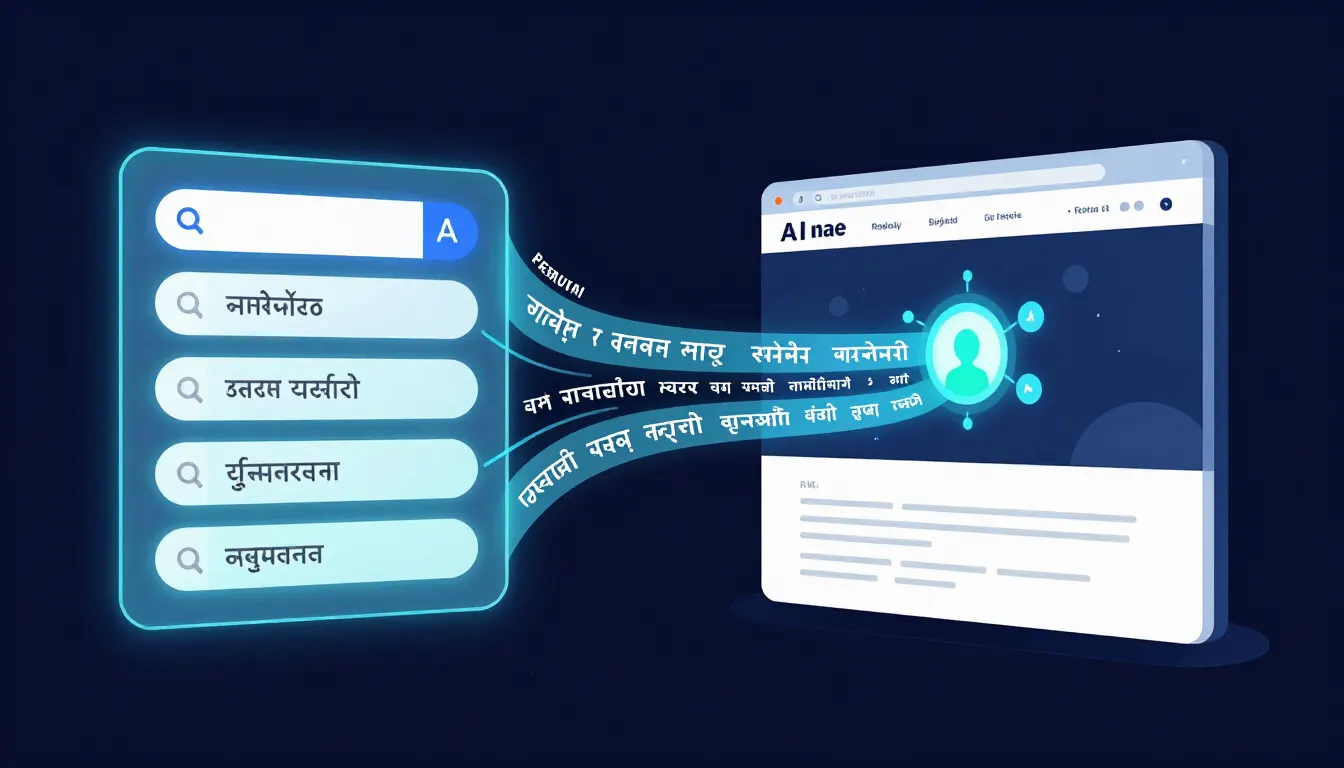
Local language content helps AI search engines connect your business to regional intent. This guide covers when to use it, how to structure it, and the mistakes that break AI comprehension.
Topical authority is why clusters of related content get cited by AI engines while isolated pages do not. This guide explains how to build a topical cluster that AI engines trust.
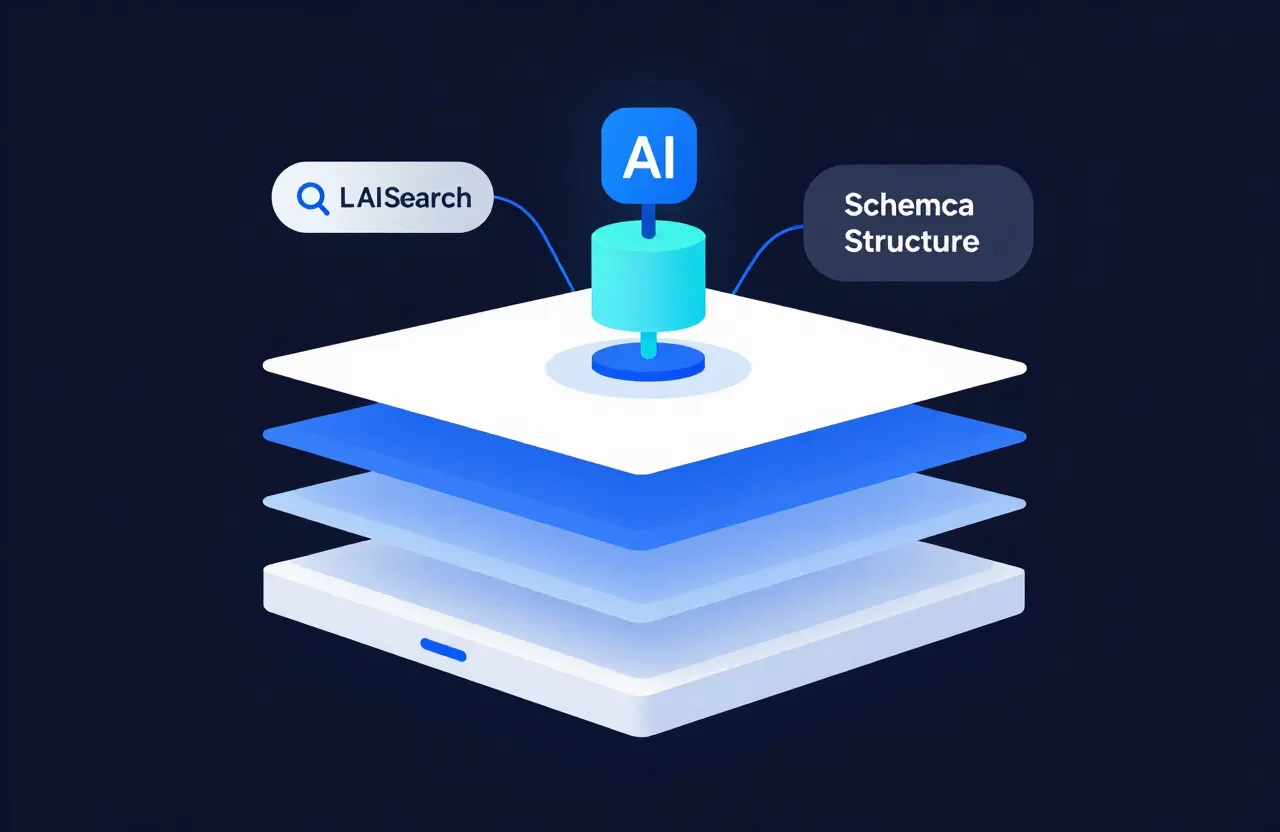
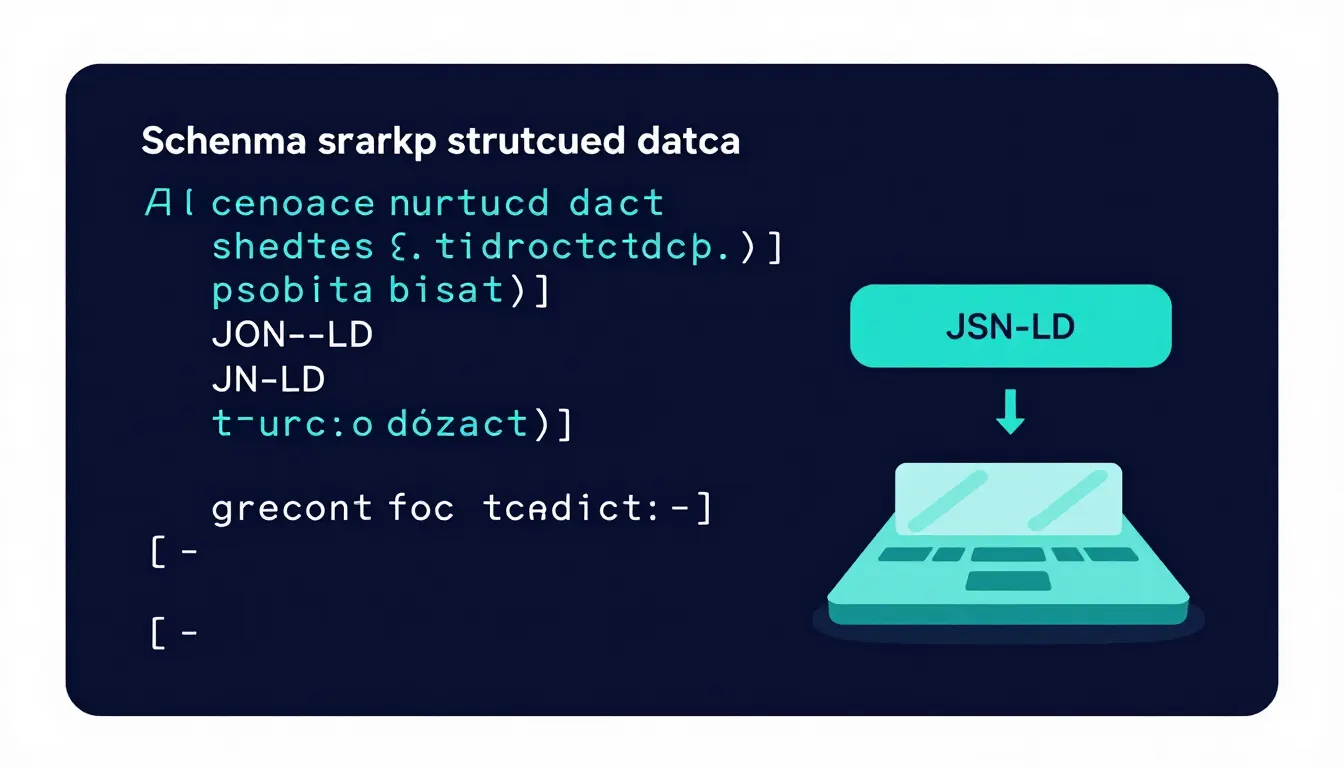
Schema markup helps AI engines parse and understand your content. This guide covers the schema types that matter for AI search and how to implement them correctly, with no guarantees.
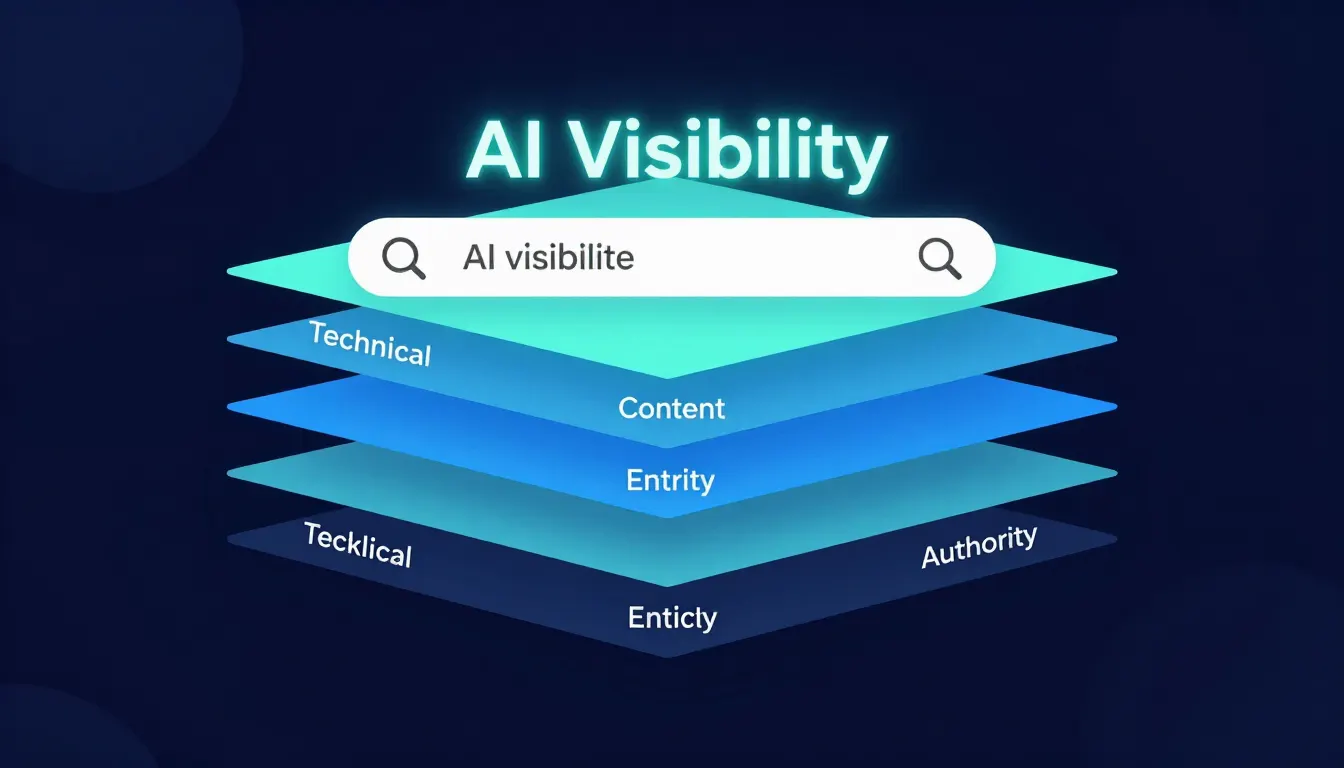
AI search visibility is the new goal beyond rankings. This step-by-step plan covers the foundations, content, entity, authority, and measurement needed to become visible in AI answers.
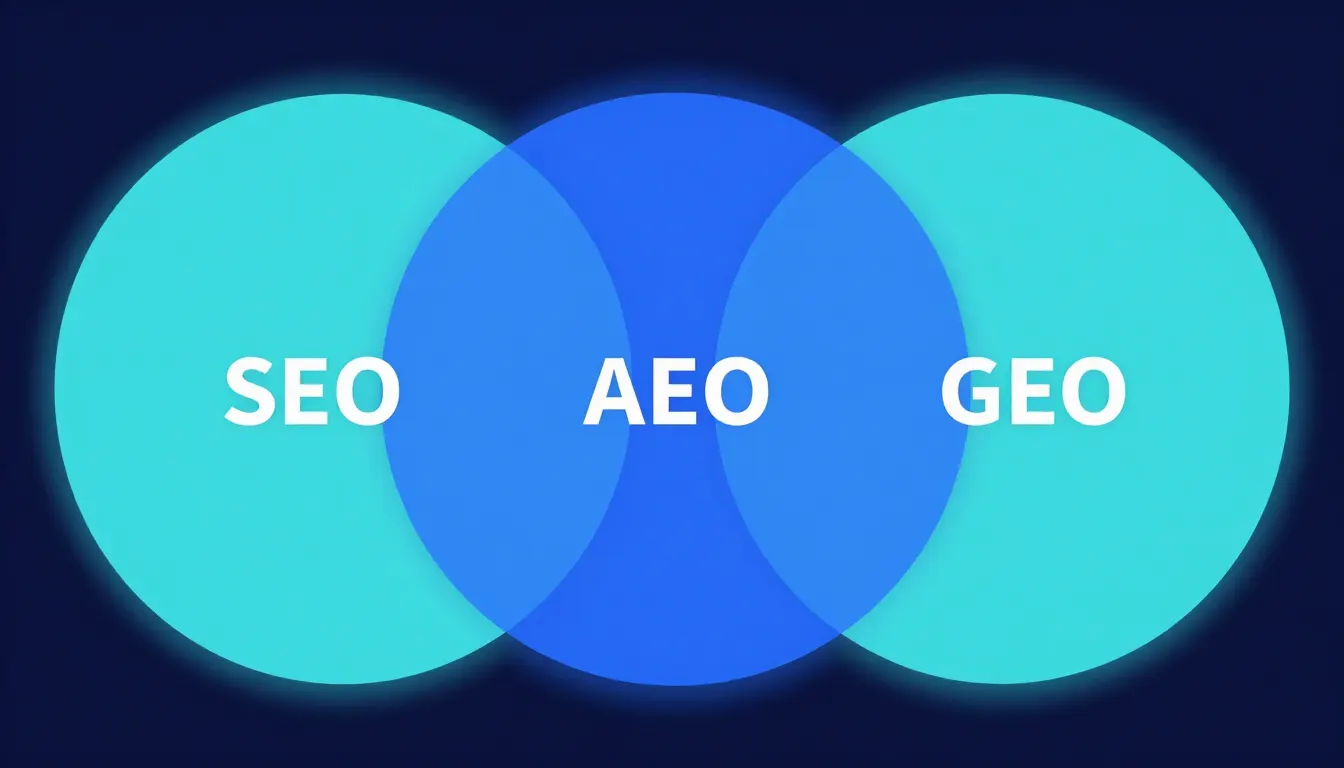
AI SEO, AEO, and GEO are often used interchangeably but mean different things. This guide defines each, compares them, and shows how they fit together in one strategy.
AI engines describe your brand based on signals across the web. This guide explains how AI search understands brands and how to shape those signals so you are described accurately.
AEO is the practice of making content easy for answer engines to extract. This guide explains what AEO is, how it differs from SEO and GEO, and the concrete steps to implement it.
The Knowledge Graph is the backbone of how search and AI systems understand entities. This guide explains what it is, how AI search uses it, and how to get your brand represented.
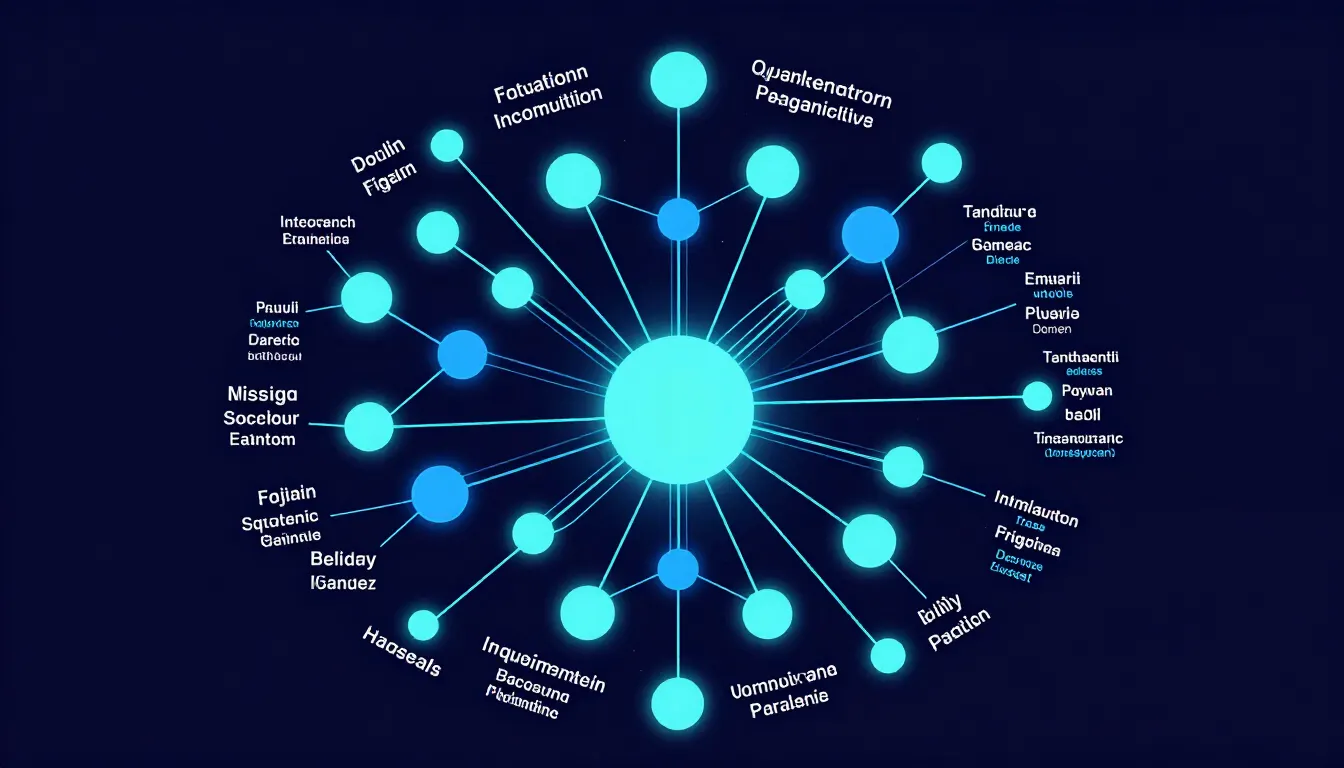
Entity SEO is about defining your brand as a distinct, well-understood entity so search and AI systems can place you correctly. This guide explains what entities are and what to do.
ChatGPT SEO and traditional SEO share foundations but optimize for different outputs. This guide compares them honestly and shows how to do both without duplicating work.
Google AI Overviews answer many searches with an AI summary. This guide explains how they work, how they select sources, and what to change on your site to improve your chances of being cited.
Being cited by AI search is the new front page. This guide explains how AI engines select sources and the concrete steps that improve your likelihood of being cited, with no guarantees.
ChatGPT answers questions by reading and synthesizing web content. This guide shows the concrete steps that help ChatGPT find, understand, and reference your website, with no hype or guarantees.
SEO and GEO share foundations but optimize for different outputs. This guide compares them side by side, what stays the same, what changes, and how to do both without duplicating work.
GEO is the practice of optimizing content for generative AI engines that synthesize answers. This guide explains what GEO is, how it differs from SEO and AEO, and what to actually change on your site.
AI SEO is the practice of optimizing content so it gets discovered, understood, and cited by AI search systems, not just ranked as a link. This guide explains what it is, what changed, and what to actually do.
A honest career roadmap for students considering digital marketing after 12th. What to learn, in what order, how to get practical experience, and what to expect.
A clear introduction to SEO for complete beginners. Learn how search engines work, what actually affects rankings, and the first steps to take on a new site.
Google AI Overviews now answer many searches directly. This guide explains AEO and GEO in plain language and the concrete steps that help your content get cited by AI.
Local SEO helps Jabalpur businesses show up when nearby customers search. This guide covers Google Business Profile, reviews, citations, and local content, with no fluff.
A clear, repeatable SEO audit process you can run yourself. Covers technical health, on-page basics, content gaps, and backlinks, with a simple priority framework so you fix what matters first.
A meticulous, comprehensive blueprint for political digital marketing in India. Learn how to architect digital campaigns that control narratives, mobilize volunteers, and drive voter turnout at scale.
A comprehensive breakdown of political campaign management, detailing the transition from traditional ground-game tactics to modern data-driven digital operations.
An advanced framework for building winning political strategies, covering everything from granular voter targeting to aggressive media budget allocation.
Your campaign website is the central node of your digital operation. Learn how to architect a site optimized for fundraising, data capture, and AI search visibility.
An honest breakdown of SEO pricing in India, what drives the cost, what each tier should include, and how to set a realistic budget that produces results, not just activity.
Execution is what separates readers from market leaders.
"Jagmohan's local SEO approach helped our clinic reach more patients in our area without aggressive ad spends. The process was transparent, technically sound, and highly professional."
Key Result:Enhanced Local Visibility
D
Dr. Jaya Thakur
Healthcare • Ethos Dental Care
"The new website and targeted search strategy perfectly positioned our firm. We appreciate the clean design, structural improvements, and the dedicated focus on our local visibility."
Key Result:Improved Digital Presence
H
Hanmat Lodhi
Legal • Lodhi Law Offices
"Building a platform for our agricultural supply center required understanding our specific rural audience. The technical execution was flawless and perfectly tailored to our users' needs."