How to Optimize Website Navigation for AI Understanding
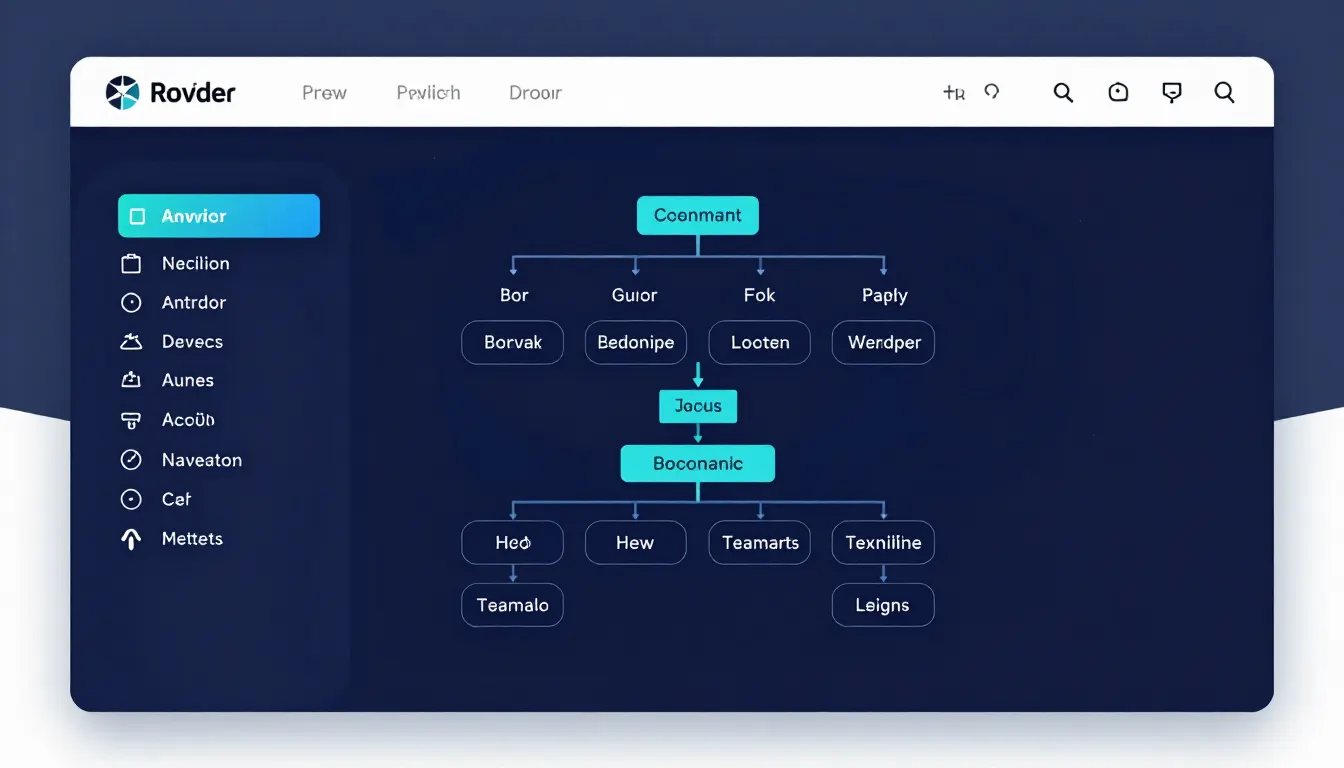
Website navigation for AI understanding is the practice of structuring your menus, hierarchy, and internal links so that AI search engines can parse how your pages relate to each other. AI engines do not just read individual pages; they build a model of your site's structure to understand categories, relationships, and entity context. Clear navigation helps them place each page correctly and cite the right page for the right question. This guide covers the structural signals that matter.
Quick Answer: How Do You Optimize Navigation for AI Understanding?
Build a shallow, logical hierarchy with descriptive labels, use consistent breadcrumbs on every page, mark up navigation with BreadcrumbList and SiteNavigationElement schema, link related pages contextually within content, and keep URLs and menu text aligned with page topics. Make the relationship between pages obvious to both humans and machines.
This is part of our AI Visibility cluster. For foundations, read what is AI SEO and how to build AI search visibility.
Table of Contents
- Why navigation matters to AI search
- Hierarchy and depth
- Descriptive labels and URL alignment
- Breadcrumbs and schema
- Contextual internal links
- Implementation steps
- Common mistakes
- Best practices
- FAQs
Why Navigation Matters to AI Search
Navigation is the skeleton of your site. AI engines use it to infer which pages belong together, which page is the hub for a topic, and how a specific page relates to your business. A clear structure helps the model understand that your "SEO services" page is the parent of "local SEO services" and "technical SEO services," for example. Google's Search Central site architecture guidance recommends a logical structure that helps both users and search engines.
Hierarchy and Depth
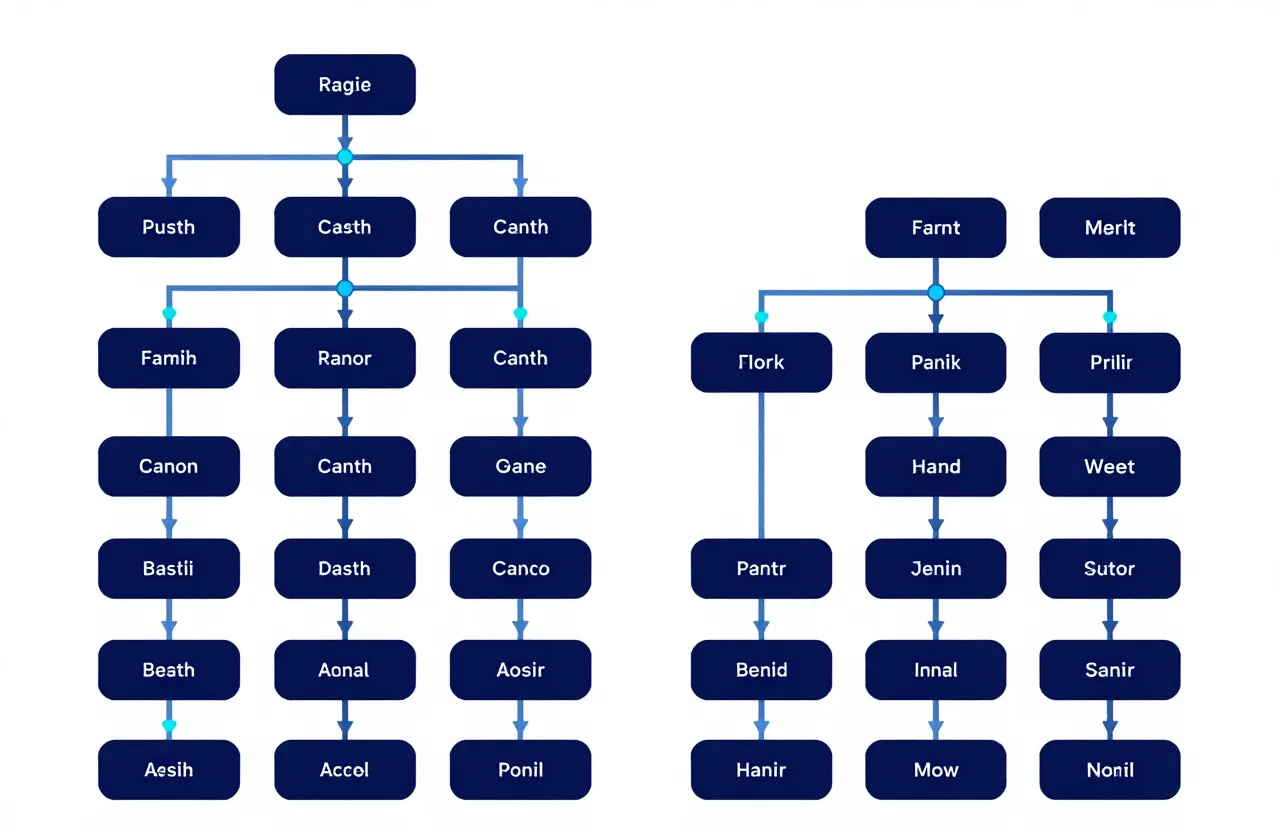
Keep your hierarchy shallow. Important pages should be reachable within a few clicks from the home page. Deep, buried pages are harder for AI engines to discover and contextualize. Group related pages under clear category hubs, and make sure each hub page links to its children and back. This hub-and-spoke structure supports topical authority by showing depth around a subject.
Descriptive Labels and URL Alignment
Menu labels should describe what the page is about, not use clever or branded terms that obscure the topic. URLs should align with the menu label and the page topic. If your menu says "Local SEO Services," the URL should be /local-seo-services/ and the H1 should match. This consistency helps AI engines confirm the page's topic, the same entity discipline covered in entity SEO explained.
Breadcrumbs and Schema
Add breadcrumbs to every page and mark them up with BreadcrumbList schema from Schema.org. Breadcrumbs tell AI engines exactly where a page sits in your hierarchy. You can also use SiteNavigationElement markup to describe your main navigation. Schema reinforces the structure that your visible navigation already communicates, as explained in schema markup for AI search.
Contextual Internal Links
Navigation menus are not the only structural signal. Contextual links within content, linking a service page to a related blog post or a cluster sibling to another, teach AI engines how pages relate by topic. Distribute these links naturally with descriptive anchor text. This is the internal-linking discipline behind AI search visibility and prevents orphan pages.
Implementation Steps
- Map your hierarchy: Draw your site structure and confirm important pages are within a few clicks of the home page.
- Align labels and URLs: Make menu text, URLs, and H1s consistent with each page's topic.
- Add breadcrumbs: Put breadcrumbs on every page and mark them up with BreadcrumbList schema.
- Mark up navigation: Use SiteNavigationElement and Organization schema to reinforce structure.
- Add contextual links: Link related pages within content using descriptive anchor text.
- Test crawlability: Confirm AI engines can reach and parse key pages without dead ends.
Common Mistakes
- Using clever menu labels that obscure the page topic.
- Burying important pages deep in the hierarchy.
- Missing breadcrumbs or breadcrumb schema.
- URLs that do not match the menu label or page topic.
- Relying only on menus and ignoring contextual internal links.
Best Practices
- Keep the hierarchy shallow and group pages under clear hubs.
- Use descriptive labels and align them with URLs and H1s.
- Add BreadcrumbList schema to every page.
- Link related pages contextually with descriptive anchor text.
- Confirm the structure is crawlable and free of dead ends.
Conclusion
AI engines understand your site through its navigation, hierarchy, and internal links. Keep the structure shallow, use descriptive labels and aligned URLs, add breadcrumb schema, and connect related pages contextually. A clear skeleton helps AI search place each page correctly and cite the right page for the right question.
For help structuring your site for AI understanding, explore our technical SEO services and AI SEO services, or book a free SEO consultation. Related: schema markup for AI search and topical authority for AI search.
Ready to Implement This Strategy?
Stop reading and start executing. Explore our Data-Driven SEO Services or book a direct strategy call.
Book Your Strategy AuditFrequently Asked Questions
Transform Insights into Revenue
Partner with an AI-driven consultant to map out a measurable growth system specifically for your brand.

Jagmohan Kurmi
AI-Driven Full-Stack Digital Marketer
Jagmohan Kurmi helps Indian businesses grow with SEO, local SEO, Google Ads, Meta Ads, WordPress websites, AI visibility, lead generation, content strategy, AI tools training, and performance-focused digital marketing systems. As an AI SEO Expert in India, I specialize in Answer Engine Optimization and data-driven performance marketing using my M.Tech in Industrial Engineering and Management framework.