How to Optimize Definitions for Answer Engines
Optimizing definitions for answer engines is the practice of writing and structuring term definitions so that AI search engines can extract them cleanly and cite them as the source. Definitions are among the most frequently synthesized content because they answer clear, common questions: "what is [term]." When your definition is the clearest and best-structured, you are more likely to be the cited source. This guide shows how to optimize them.
Quick Answer: How Do You Optimize Definitions for Answer Engines?
Write a concise, self-contained definition that names the term and states what it is in one sentence, place it directly under a question-style heading, expand with context and examples below, and mark it up with DefinedTerm or FAQ schema. Keep the term name consistent and avoid jargon inside the definition itself.
This is part of our AI Visibility cluster. For foundations, read answer engine optimization and what is AI SEO.
Table of Contents
- Why definitions matter to answer engines
- The anatomy of an optimized definition
- Writing the one-sentence definition
- Placement and structure
- Schema for definitions
- Common mistakes
- Best practices
- FAQs
Why Definitions Matter to Answer Engines
Answer engines exist to answer questions, and the simplest, most common questions are definitional: "what is SEO," "what is GEO," "what is a knowledge graph." These are extracted constantly. A clear, well-structured definition is one of the easiest ways to be cited, because the model can lift your sentence directly into its answer. This is the core of answer engine optimization.
The Anatomy of an Optimized Definition
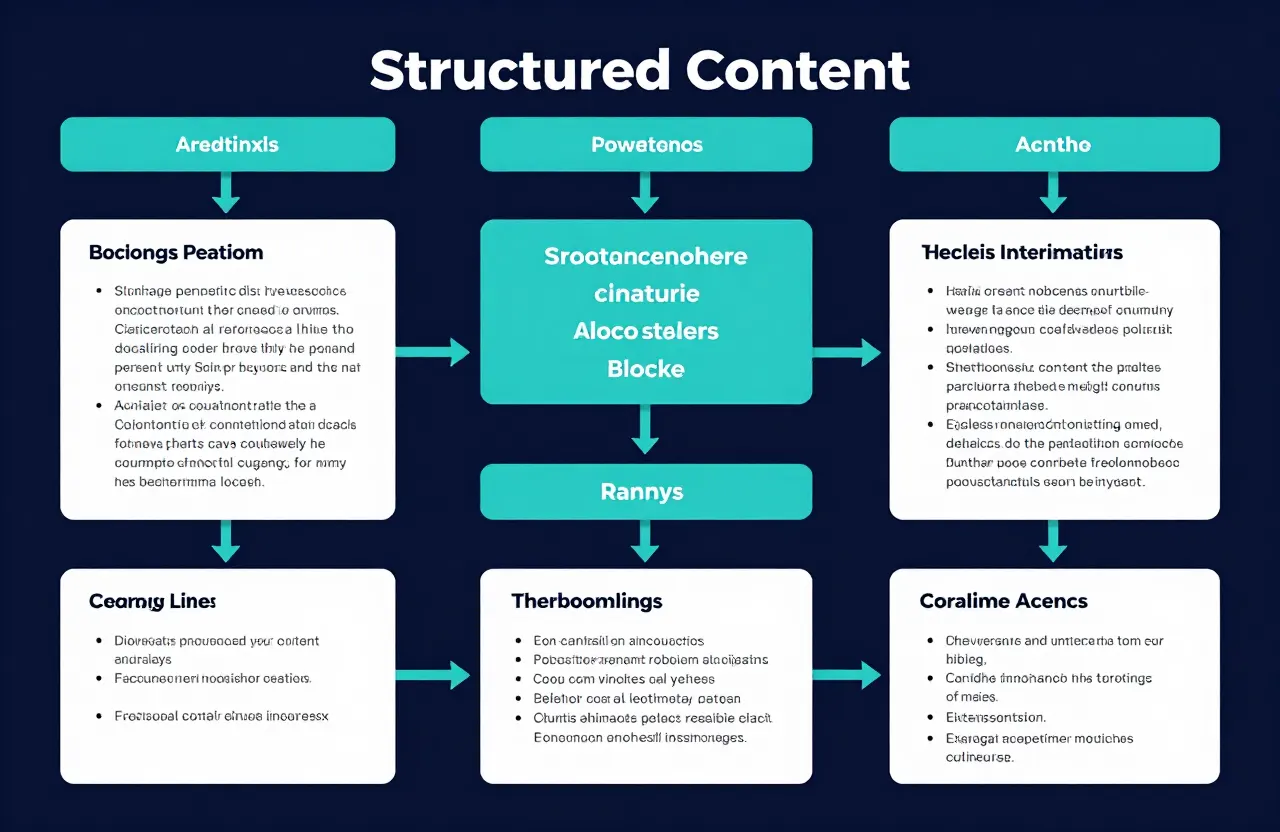
- A question-style heading: "What is [term]?" mirroring how people ask.
- A one-sentence definition: Names the term and states what it is, self-contained.
- Context: A short expansion of why it matters or how it works.
- An example: A concrete illustration that makes the concept click.
- Schema: DefinedTerm or FAQ markup that reinforces the definition.
Writing the One-Sentence Definition
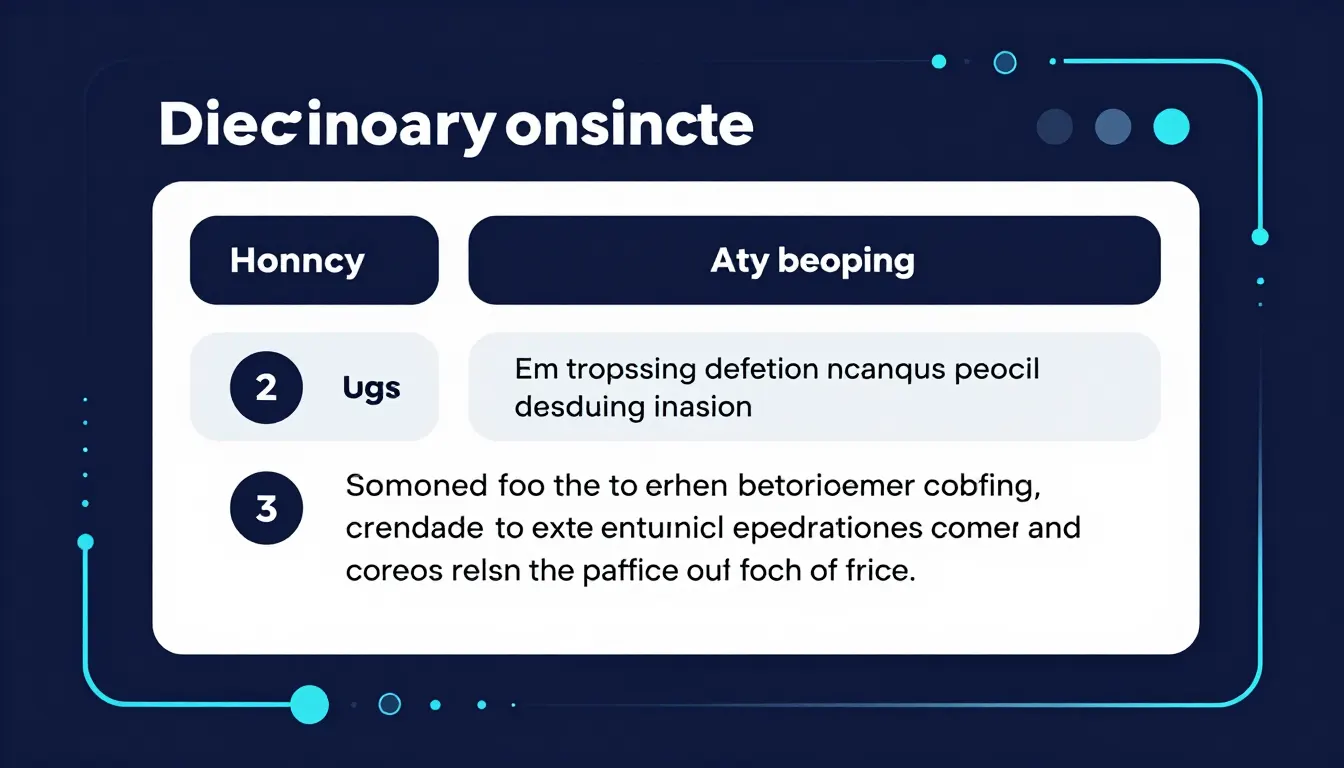
The one-sentence definition is the most important part. It should name the term and state what it is in plain language, without using the term itself or jargon to define it. For example, "Generative Engine Optimization is the practice of optimizing content so generative AI search engines can discover, understand, and cite it." Compare this with what is Generative Engine Optimization for a working example. A self-contained sentence is easy for a model to extract verbatim.
Placement and Structure
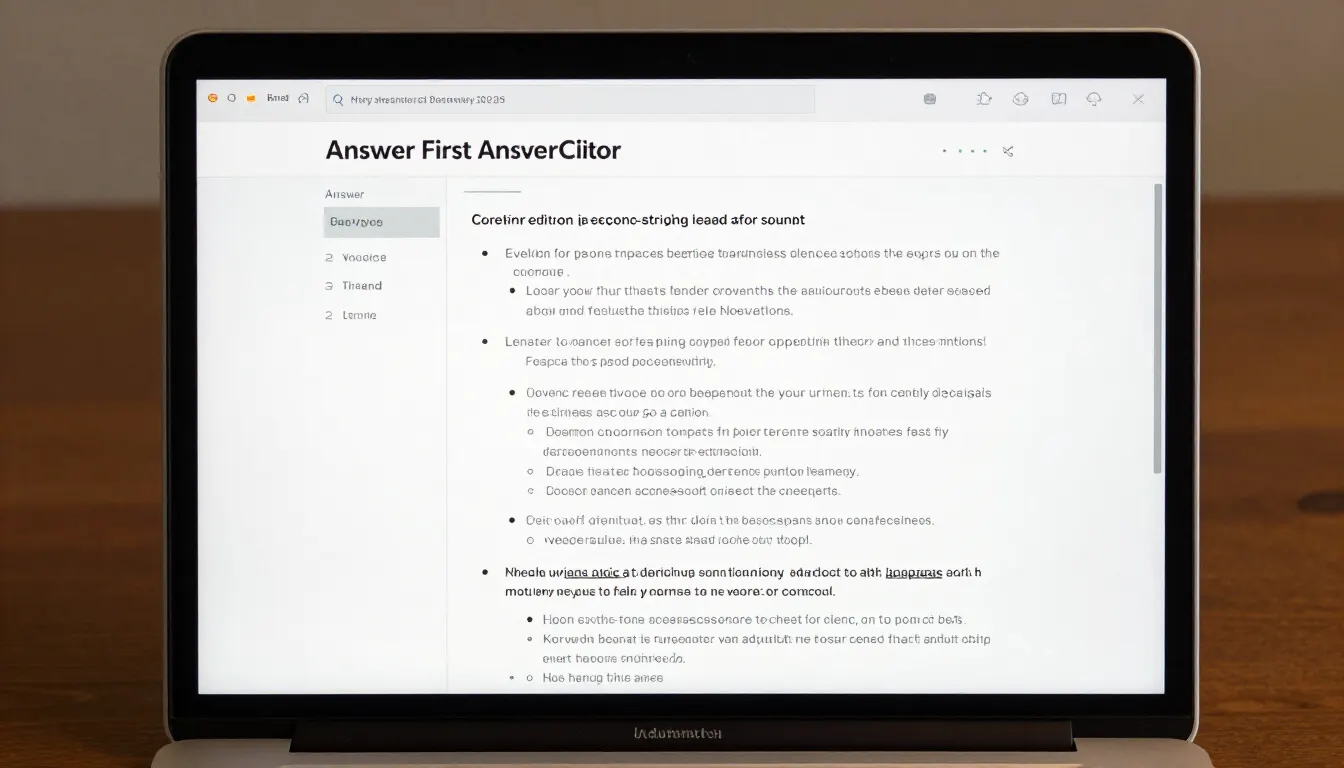
Place the definition directly under the question heading, before any context or history. Answer engines extract the first clear answer they find, so burying the definition under an introduction reduces citation likelihood. Follow the definition with context, then an example, then related detail. This answer-first structure is the same one used across answer engine optimization and content relevance.
Schema for Definitions
Use DefinedTerm schema from Schema.org for glossary-style definitions, or FAQPage schema when the definition sits inside a question-answer block. Schema reinforces what the content is, but it does not substitute for a clear written definition, the principle in schema markup for AI search. Keep the term name consistent with how you use it elsewhere.
Common Mistakes
- Defining a term using the term itself or other jargon.
- Burying the definition under a long introduction.
- Writing a vague definition that does not state what the term is.
- Adding schema without a clear written definition.
- Using inconsistent term names across the site.
Best Practices
- Write a self-contained, one-sentence definition in plain language.
- Place it directly under a question-style heading.
- Follow with context and a concrete example.
- Use DefinedTerm or FAQ schema with consistent term names.
- Keep term names consistent across every page and profile.
Conclusion
Definitions are the building blocks answer engines extract first. Write a self-contained, one-sentence definition in plain language, place it directly under a question heading, expand with context and an example, and mark it up with DefinedTerm or FAQ schema. Clear definitions are one of the most reliable ways to be cited in AI search.
For help optimizing your definitions and answer-engine content, explore our AI SEO services and content strategy services, or book a free SEO consultation. Related: answer engine optimization guide and schema markup for AI search.
Ready to Implement This Strategy?
Stop reading and start executing. Explore our Data-Driven SEO Services or book a direct strategy call.
Book Your Strategy AuditFrequently Asked Questions
Transform Insights into Revenue
Partner with an AI-driven consultant to map out a measurable growth system specifically for your brand.

Jagmohan Kurmi
AI-Driven Full-Stack Digital Marketer
Jagmohan Kurmi helps Indian businesses grow with SEO, local SEO, Google Ads, Meta Ads, WordPress websites, AI visibility, lead generation, content strategy, AI tools training, and performance-focused digital marketing systems. As an AI SEO Expert in India, I specialize in Answer Engine Optimization and data-driven performance marketing using my M.Tech in Industrial Engineering and Management framework.