How to Create an AI-Readable Service Page
An AI-readable service page is a service page structured so that AI search engines can extract a clear definition of the service, understand who it is for, and cite it as a source when buyers ask related questions. Most service pages are written to persuade; an AI-readable service page is written to be understood first, then to persuade. This guide shows how to build one.
Quick Answer: How Do You Create an AI-Readable Service Page?
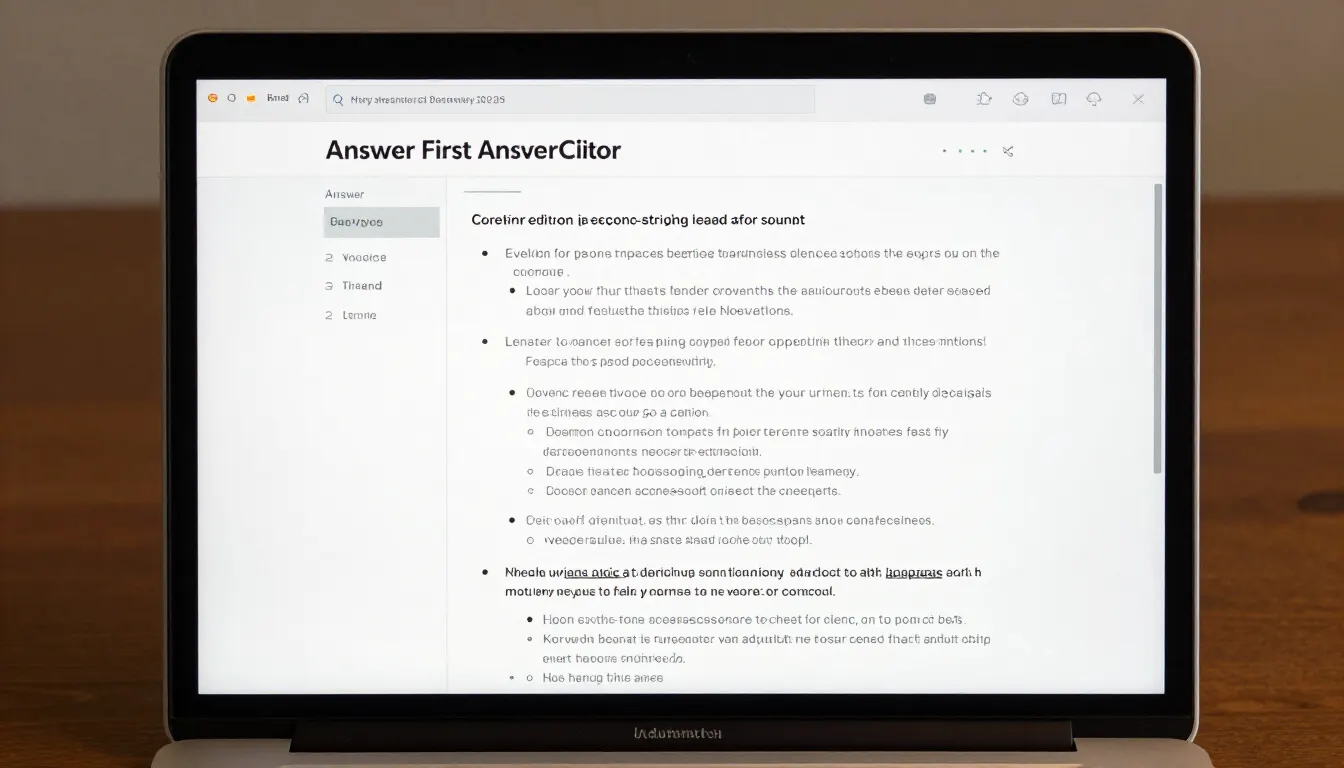
Open with a one-sentence definition of the service, follow with a direct answer to "what is [service]" and "who needs [service]," structure the page with question-style H2s and answer-first paragraphs, add Service and FAQ schema with consistent entity values, and link the page into a topical cluster. Make the service unambiguous to both humans and machines.
This is part of our AI Visibility cluster. For foundations, read what is AI SEO and answer engine optimization.
Table of Contents
- What makes a service page AI-readable
- The required sections
- Defining the service clearly
- Answering buyer questions
- Schema and entity clarity
- Linking into the cluster
- Implementation steps
- Common mistakes
- Best practices
- FAQs
What Makes a Service Page AI-Readable
An AI-readable service page is one a model can parse to answer "what is [service]" and "who is it for" without ambiguity. It leads with a definition, uses clear structure, marks up the service with schema, and connects to related content. AI engines extract clear definitions more reliably than marketing copy, which is the core of answer engine optimization.
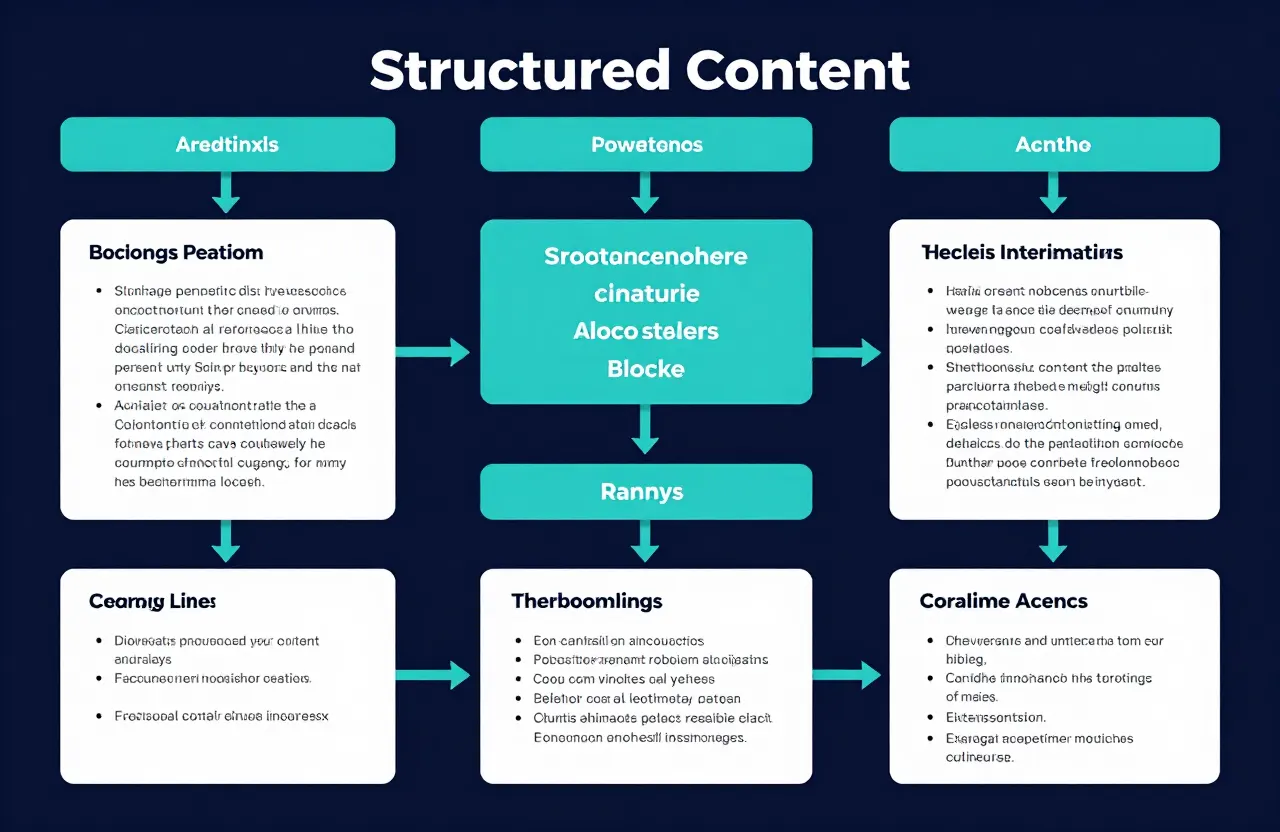
The Required Sections
- One-sentence definition: What the service is, in plain language.
- Quick answer: A direct answer to "what is [service]" and "who needs [service]."
- Scope and process: What the service includes and how it works.
- Outcomes and evidence: What results look like, with honest caveats.
- FAQs: Common buyer questions answered directly.
- CTA: A clear next step.
Defining the Service Clearly
The definition is the most important sentence on the page. Write it the way a buyer would understand it, not the way an internal team talks. For example, "Local SEO is the practice of optimizing a business's online presence so it appears in location-based search results and map packs." Avoid jargon and avoid defining the service by what it is not. This clarity supports entity SEO by giving the model an unambiguous concept.
Answering Buyer Questions
Use question-style H2s that mirror how buyers ask: "what does [service] include," "how much does [service] cost," "how long does [service] take." Answer each with a 40 to 60 word direct response before expanding. Use FAQ schema for these. Honest answers, including ranges and caveats, build trust and are more likely to be cited than invented guarantees, as covered in how to show evidence in AI search content.
Schema and Entity Clarity
Use Service schema from Schema.org, with provider, areaServed, and offers where relevant. Add FAQPage schema for the FAQ section and Organization or LocalBusiness schema for the provider. Keep the service name, provider name, and details consistent with the rest of your site, the discipline explained in schema markup for AI search and brand factsheets.
Linking Into the Cluster
A service page should not stand alone. Link it to supporting blog posts, related services, and location pages where relevant. This builds topical authority and prevents the page from being an orphan. One primary internal link map per service page keeps the cluster connected.
Implementation Steps
- Write the definition: One plain-language sentence that says what the service is.
- Add the quick answer: Direct answers to "what is [service]" and "who needs [service]."
- Structure with question H2s: Mirror how buyers ask and answer each first.
- Add schema: Apply Service, FAQPage, and Organization or LocalBusiness schema.
- Link the cluster: Connect to supporting posts, related services, and location pages.
- Test in AI engines: Ask service questions in Google, ChatGPT, and Perplexity and refine.
Common Mistakes
- Opening with marketing copy instead of a clear definition.
- Defining the service by what it is not, or with internal jargon.
- Burying answers under long introductions.
- Missing Service or FAQ schema, or using inconsistent entity values.
- Leaving the service page isolated instead of linking it into a cluster.
Best Practices
- Lead with a one-sentence, plain-language definition.
- Use question-style H2s with answer-first paragraphs.
- Answer cost and timeline questions honestly with ranges and caveats.
- Apply Service, FAQPage, and Organization or LocalBusiness schema consistently.
- Link the page into a topical cluster of supporting content.
Conclusion
An AI-readable service page defines the service clearly, answers buyer questions directly, uses consistent schema, and links into a topical cluster. Write to be understood first, then to persuade, and the page becomes both rankable and citable.
For help building AI-readable service pages, explore our AI SEO services and SEO services, or book a free SEO consultation. Related: schema markup for AI search and AI search visibility for professional services.
Ready to Implement This Strategy?
Stop reading and start executing. Explore our Data-Driven SEO Services or book a direct strategy call.
Book Your Strategy AuditFrequently Asked Questions
Transform Insights into Revenue
Partner with an AI-driven consultant to map out a measurable growth system specifically for your brand.

Jagmohan Kurmi
AI-Driven Full-Stack Digital Marketer
Jagmohan Kurmi helps Indian businesses grow with SEO, local SEO, Google Ads, Meta Ads, WordPress websites, AI visibility, lead generation, content strategy, AI tools training, and performance-focused digital marketing systems. As an AI SEO Expert in India, I specialize in Answer Engine Optimization and data-driven performance marketing using my M.Tech in Industrial Engineering and Management framework.