How to Create a Brand Factsheet for AI Search
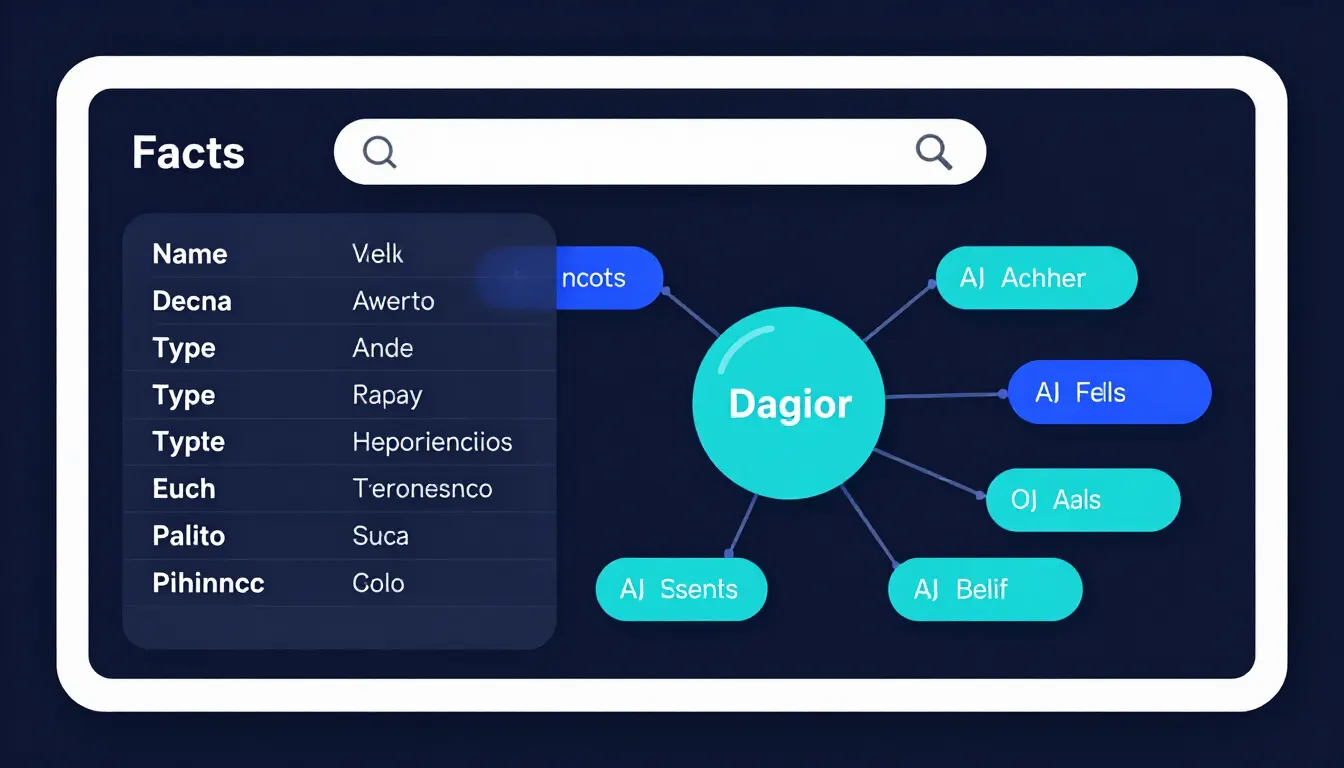
A brand factsheet is a structured, consistent summary of the key facts about your business: who you are, what you offer, where you operate, who leads the company, and the verifiable details that define your entity. In AI search, it matters because generative engines like Google AI Overviews, ChatGPT, Gemini, and Perplexity build a picture of your brand from many sources. A clear factsheet, published on your site and reinforced with structured data, gives them an authoritative source to draw from instead of guessing from scattered fragments.
Quick Answer: What Is a Brand Factsheet for AI Search?
A brand factsheet for AI search is a single, structured page or block of content that states your brand's core facts in plain language and marks them up with schema so AI engines can extract them reliably. It covers identity, offerings, locations, leadership, founding details, and contact information, and it stays consistent with every other place your brand appears on the web.
This is part of our AI Visibility cluster. For the foundations, read entity SEO explained and how AI search understands brands.
Table of Contents
- Why AI engines need a brand factsheet
- What to include in a brand factsheet
- Step-by-step: build and publish your factsheet
- Structuring the factsheet with schema
- Keeping facts consistent across the web
- Common mistakes
- Best practices
- FAQs
Why AI Engines Need a Brand Factsheet
When an AI engine answers a question about your brand, it synthesizes information from your website, directories, press, reviews, and the knowledge graph. If those sources disagree, the model may produce a vague or incorrect answer. A factsheet gives the model one clear, authoritative source on your own site, reinforced by structured data, that states exactly what is true. This reduces ambiguity and improves the chance your brand is represented accurately.
What to Include in a Brand Factsheet
A useful factsheet is short, factual, and verifiable. Include only details you can stand behind, and keep them identical everywhere they appear.
- Identity: official brand name, legal name if different, tagline, and a one-sentence description of what you do.
- Offerings: the main services or products, stated plainly.
- Locations: service areas, headquarters, and key cities.
- Leadership: founder and key people with roles.
- Founding details: year founded and a brief origin statement if relevant.
- Contact: website, email, and phone, consistent with your NAP.
- Notable facts: verifiable details such as certifications or recognized client industries, stated without exaggeration.
Step-by-Step: Build and Publish Your Factsheet
- Gather the facts: List every detail above from internal records. Use only verifiable information.
- Write a plain-language summary: Open with a one-sentence definition of your brand, then a short paragraph expanding it. This is the answer AI engines will try to extract.
- Publish a dedicated page: Create an "About" or "Company" page that leads with the factsheet summary, not a marketing story.
- Add structured data: Mark up the page with Organization (or LocalBusiness) and Person schema using the same values. See schema markup for AI search.
- Reinforce across the site: Repeat the same facts in your footer, contact page, and key service pages so the entity stays consistent.
- Align external sources: Update directories, your Google Business Profile, and social profiles to match the factsheet exactly.
- Test and monitor: Validate schema with an official testing tool, then ask AI engines brand questions and check how you are represented.
Structuring the Factsheet with Schema
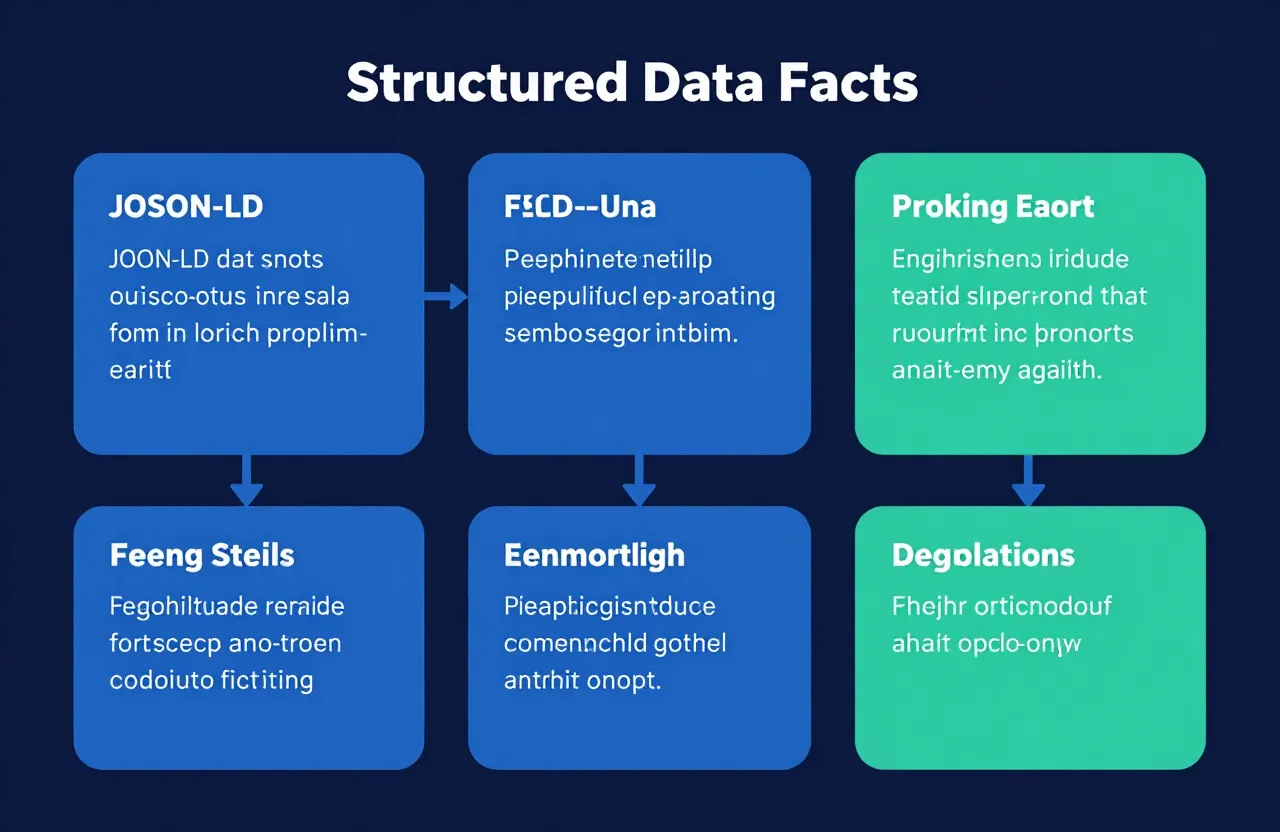
Schema turns your factsheet into machine-readable data. Use Organization (or LocalBusiness for a local business) with fields like name, description, url, logo, sameAs for your official profiles, and founder or employee for people. The Schema.org vocabulary defines these types, and Google's structured data documentation explains how to implement them. Keep the schema values identical to the visible text so there is no mismatch for a model to resolve.
Keeping Facts Consistent Across the Web
A factsheet only works if the same facts appear everywhere. If your site says one service area, your Google Business Profile says another, and a directory lists an old phone number, the model has to reconcile conflicting signals and may pick the wrong one. Treat the factsheet as the single source of truth and propagate it to every external profile. This is the same principle behind how AI search understands brands and entity clarity.
Common Mistakes
- Writing a marketing story instead of a factual summary that can be extracted.
- Adding schema that does not match the visible text on the page.
- Letting directories and social profiles drift out of sync with the factsheet.
- Including unverified claims, awards, or statistics that cannot be backed up.
- Burying the facts deep in the page instead of leading with them.
Best Practices
- Lead with a one-sentence definition, then expand. Answer-first helps extraction.
- Keep every field identical across your site and all external profiles.
- Use Organization or LocalBusiness schema with the same values as the visible text.
- State only verifiable facts; distinguish documented facts from aspirations.
- Review the factsheet quarterly and update external sources to match.
Conclusion
A brand factsheet gives AI engines a clear, authoritative source for who you are and what you do. Keep it short, factual, and consistent, mark it up with schema, and propagate the same values to every profile and directory. The clearer and more consistent your facts, the more accurately AI search represents your brand.
For help building a factsheet and entity strategy, see our AI visibility services and AI SEO services, or book a free consultation. Related: entity SEO explained, knowledge graph and AI search, and schema markup for AI search.
Ready to Implement This Strategy?
Stop reading and start executing. Explore our Data-Driven SEO Services or book a direct strategy call.
Book Your Strategy AuditFrequently Asked Questions
Transform Insights into Revenue
Partner with an AI-driven consultant to map out a measurable growth system specifically for your brand.

Jagmohan Kurmi
AI-Driven Full-Stack Digital Marketer
Jagmohan Kurmi helps Indian businesses grow with SEO, local SEO, Google Ads, Meta Ads, WordPress websites, AI visibility, lead generation, content strategy, AI tools training, and performance-focused digital marketing systems. As an AI SEO Expert in India, I specialize in Answer Engine Optimization and data-driven performance marketing using my M.Tech in Industrial Engineering and Management framework.