Topical Authority for AI Search
Topical authority is the depth and breadth of coverage you demonstrate on a subject. AI engines favor sites that cover a topic thoroughly across many related pages over sites with one isolated article. This guide explains why topical authority matters for AI search and how to build a cluster that engines trust.
Quick Answer: Topical Authority for AI Search
Topical authority for AI search means building a cluster of related, interlinked content around a pillar topic so AI engines recognize your site as an authority on that subject. It improves the likelihood of being cited because engines trust sources that demonstrate depth. Build it by mapping a topic, creating a pillar page, supporting it with subtopic articles, and interlinking them logically.
Table of Contents
- What topical authority is
- Why AI engines reward it
- The pillar and cluster model
- How to map a topic
- Internal linking within the cluster
- Measuring topical authority
- Common mistakes
- FAQs
What Topical Authority Is
Topical authority is the signal a site sends when it comprehensively covers a subject. A site with 20 deeply useful articles on AI SEO is a stronger authority on that topic than a site with one good post. Authority is earned through depth, quality, and internal connection, not volume alone.
Why AI Engines Reward It
Generative engines synthesize answers from multiple sources and prefer sources that demonstrate expertise across a topic. A cluster signals that you understand the subject broadly, which increases trust. Isolated pages, even good ones, lack the surrounding context that signals authority. This is why this 15-article AI SEO cluster exists, to build AI search visibility through depth.
The Pillar and Cluster Model
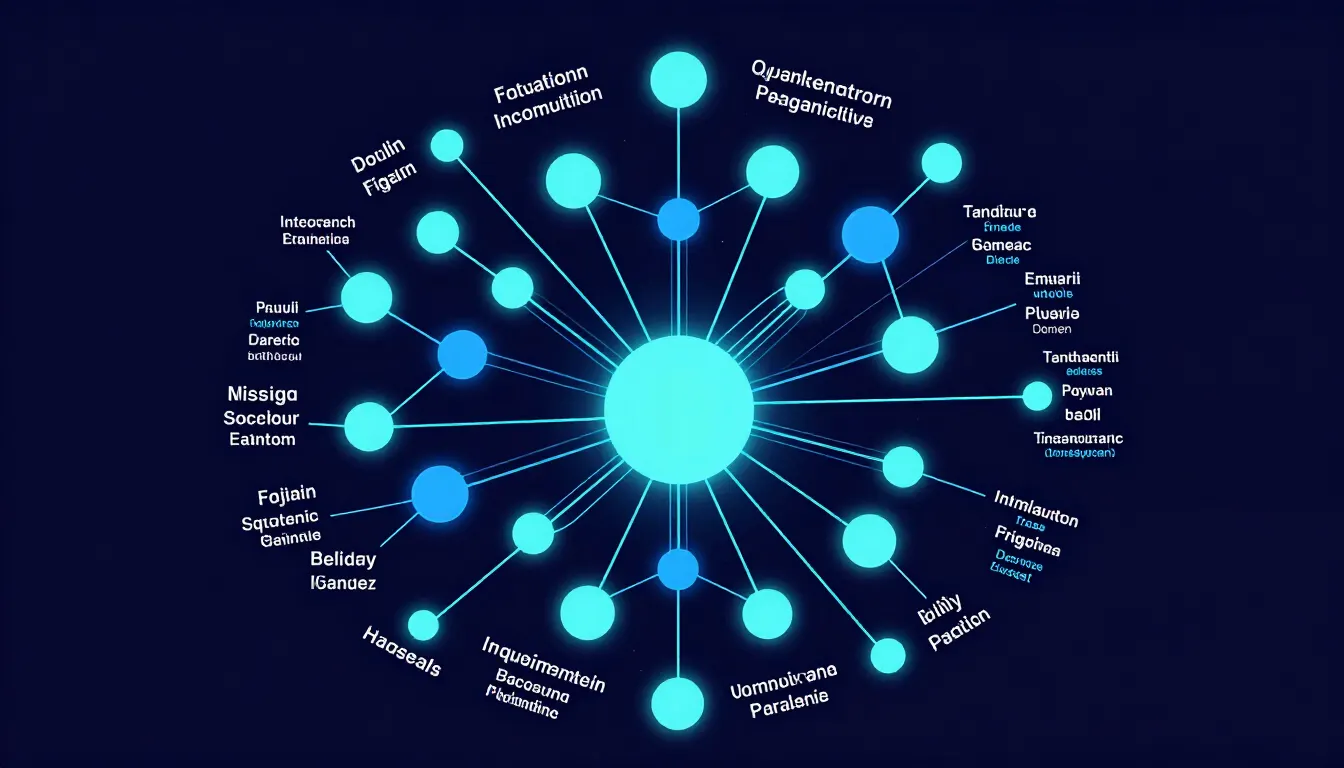
The standard structure is a pillar page that broadly covers a topic, supported by cluster articles that each cover a subtopic in depth. The pillar links to all cluster articles, and each cluster article links back to the pillar and to related cluster articles. This creates a dense, navigable web of topical content.
For example, this cluster's pillar concept is what is AI SEO, supported by articles like what is GEO, entity SEO explained, and schema markup for AI search.

How to Map a Topic
- Define the pillar: The broad topic you want to own, e.g. "AI SEO."
- List subtopics: Every distinct question and sub-intent within it.
- Check demand: Use keyword research to confirm real search and AI query demand.
- Plan articles: One article per distinct sub-intent, no overlap.
- Avoid cannibalization: Ensure each article owns a unique intent.
Internal Linking Within the Cluster
Internal links are what turn separate articles into a cluster. Link contextually based on relevance, not randomly. Each article should link to the pillar and to 2 to 4 related cluster articles using descriptive anchor text. This helps engines and users navigate the topic and spreads authority across the cluster. The full mechanics of anchors, crawl paths, and orphan pages are covered in how internal linking helps AI search understand website topics.
Measuring Topical Authority
- Track how many cluster articles are indexed and ranking.
- Test cluster questions in AI engines and count citations over time.
- Watch for the pillar page becoming a referenced source on the broad topic.
- Monitor internal link coverage; every article should connect to the cluster.
Common Mistakes
- Writing overlapping articles that cannibalize each other's intent.
- Creating cluster articles but not interlinking them.
- Prioritizing volume over depth; thin pages weaken authority.
- Ignoring the pillar page, which should be the strongest, broadest resource.
Conclusion
Topical authority is why clusters get cited and isolated pages do not. Map your topic, build a strong pillar, support it with distinct subtopic articles, and interlink them by relevance. Depth and connection, not volume, are what make AI engines trust you as an authority on a subject.
For help building a cluster, see our AI SEO services and AI visibility services, or book a free consultation. Related: how to build AI search visibility, what is AI SEO, and entity SEO explained.
Ready to Implement This Strategy?
Stop reading and start executing. Explore our Data-Driven SEO Services or book a direct strategy call.
Book Your Strategy AuditFrequently Asked Questions
Transform Insights into Revenue
Partner with an AI-driven consultant to map out a measurable growth system specifically for your brand.

Jagmohan Kurmi
AI-Driven Full-Stack Digital Marketer
Jagmohan Kurmi helps Indian businesses grow with SEO, local SEO, Google Ads, Meta Ads, WordPress websites, AI visibility, lead generation, content strategy, AI tools training, and performance-focused digital marketing systems. As an AI SEO Expert in India, I specialize in Answer Engine Optimization and data-driven performance marketing using my M.Tech in Industrial Engineering and Management framework.