AI Search Visibility for SaaS Companies
AI search visibility for SaaS companies is the practice of making your product, features, integrations, and documentation easy for AI engines to discover, understand, and cite. SaaS buyers increasingly ask AI engines questions like "what is the best tool for X" or "how does [product] compare to [competitor]." If your feature and comparison pages are not structured for extraction, the AI engine will summarize someone else's content instead. This guide covers the specific pages and signals that matter for SaaS.
Quick Answer: How Do SaaS Companies Build AI Search Visibility?
Structure feature pages with clear definitions and use cases, publish integration and comparison pages that directly answer buyer questions, keep documentation crawlable and answer-first, define your product entity consistently with schema, and build topical depth around each feature cluster. Make every key page easy for an AI engine to extract and cite.
This is part of our AI Visibility cluster. For foundations, read what is AI SEO and how to build AI search visibility.
Table of Contents
- Why SaaS buyers use AI search
- The pages that drive SaaS AI visibility
- Feature pages: definitions and use cases
- Comparison and integration pages
- Documentation as an AI asset
- Entity clarity for your product
- Implementation steps
- Common mistakes
- Best practices
- FAQs
Why SaaS Buyers Use AI Search
SaaS buying is research-heavy. Buyers compare tools, evaluate features, check integrations, and read documentation before signing up. AI engines compress this research into synthesized answers, often citing multiple sources. If your pages clearly answer the questions buyers ask, you become a cited source and build trust even before a click. Google's Search Central AI Overviews guidance applies the same helpful-content principles here.
The Pages That Drive SaaS AI Visibility
- Feature pages: One page per core feature, with a clear definition and use cases.
- Comparison pages: "Product vs Competitor" or "Product vs Alternative" pages that answer buyer comparison questions directly.
- Integration pages: One page per integration, explaining what it does and how to set it up.
- Documentation: Crawlable, answer-first help articles and API docs.
- Use-case and industry pages: Topic pages that connect features to specific buyer scenarios.
Feature Pages: Definitions and Use Cases
Each feature page should open with a one-sentence definition of the feature, then a direct answer to "what does [feature] do," followed by use cases, benefits, and how it works. Use SoftwareApplication or SoftwareSourceCode schema from Schema.org where appropriate, and keep the product name consistent everywhere. This is the same entity discipline covered in entity SEO explained.
Comparison and Integration Pages
Comparison pages should directly answer "how does [product] compare to [competitor]" with a balanced, structured comparison, not a one-sided sales pitch. AI engines are more likely to cite balanced, specific comparisons. Integration pages should answer "does [product] integrate with [tool]" with a clear yes or no and setup steps. These pages capture high-intent buyer questions that AI engines frequently synthesize.
Documentation as an AI Asset
Documentation is often a SaaS company's most cited content because it answers specific how-to questions. Keep docs crawlable, use question-style headings, and put the direct answer first. Avoid gating key documentation behind login where possible, since AI engines cannot extract what they cannot crawl. This aligns with answer engine optimization principles.
Entity Clarity for Your Product
AI engines need to understand your product as an entity: its name, category, what it does, and who makes it. Keep this consistent across your site, your social profiles, and third-party listings. Use Organization and Product schema, and maintain a clear brand factsheet as described in how to create a brand factsheet for AI search.
Implementation Steps
- Audit key pages: List your feature, comparison, integration, and documentation pages and check each for a direct answer to its main question.
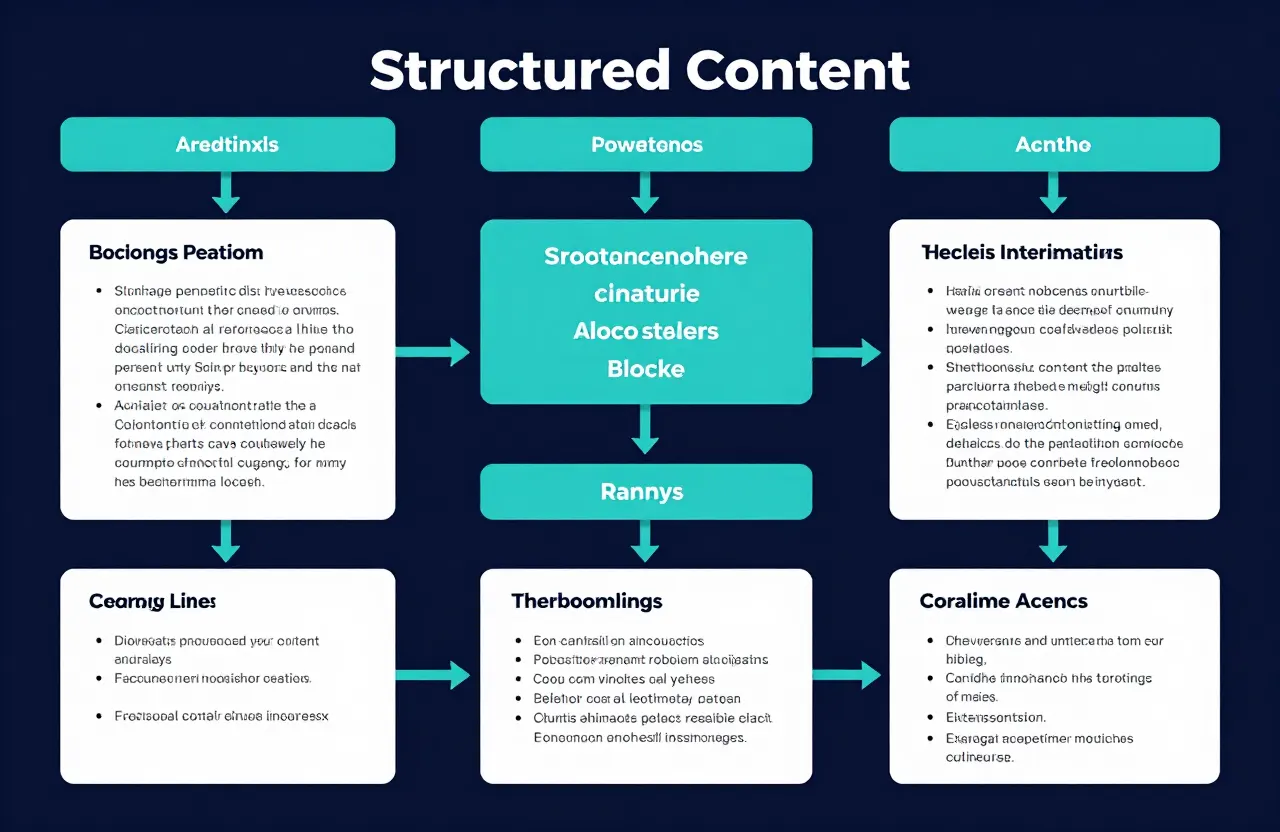
- Restructure for extraction: Add a one-sentence definition and a 40 to 60 word direct answer to each key page.
- Add schema: Apply SoftwareApplication, Product, Organization, and FAQ schema with consistent values.
- Build the cluster: Interlink feature, use-case, and comparison pages around each product area.
- Test in AI engines: Ask buyer questions in Google, ChatGPT, and Perplexity and refine based on what is cited.
Common Mistakes
- Writing feature pages that describe the product vaguely instead of defining the feature.
- Publishing one-sided comparison pages that AI engines are less likely to cite.
- Gating documentation behind login so AI engines cannot crawl it.
- Using inconsistent product names across pages and profiles.
- Treating each feature page as isolated instead of building a linked cluster.
Best Practices
- Open every feature page with a clear definition and direct answer.
- Write balanced, specific comparison pages that answer buyer questions.
- Keep documentation crawlable and answer-first.
- Use consistent product entity signals with matching schema.
- Interlink feature, use-case, and comparison pages into topical clusters.
Conclusion
SaaS AI search visibility comes from making feature, comparison, integration, and documentation pages easy for AI engines to extract and cite. Define each feature clearly, answer buyer questions directly, keep docs crawlable, and build linked clusters around each product area.
For a SaaS-specific AI visibility plan, explore our SaaS SEO services and AI SEO services, or book a free SEO consultation. Related: how to create an AI-readable service page and schema markup for AI search.
Ready to Implement This Strategy?
Stop reading and start executing. Explore our Data-Driven SEO Services or book a direct strategy call.
Book Your Strategy AuditFrequently Asked Questions
Transform Insights into Revenue
Partner with an AI-driven consultant to map out a measurable growth system specifically for your brand.

Jagmohan Kurmi
AI-Driven Full-Stack Digital Marketer
Jagmohan Kurmi helps Indian businesses grow with SEO, local SEO, Google Ads, Meta Ads, WordPress websites, AI visibility, lead generation, content strategy, AI tools training, and performance-focused digital marketing systems. As an AI SEO Expert in India, I specialize in Answer Engine Optimization and data-driven performance marketing using my M.Tech in Industrial Engineering and Management framework.