How AI Search Handles Conflicting Information
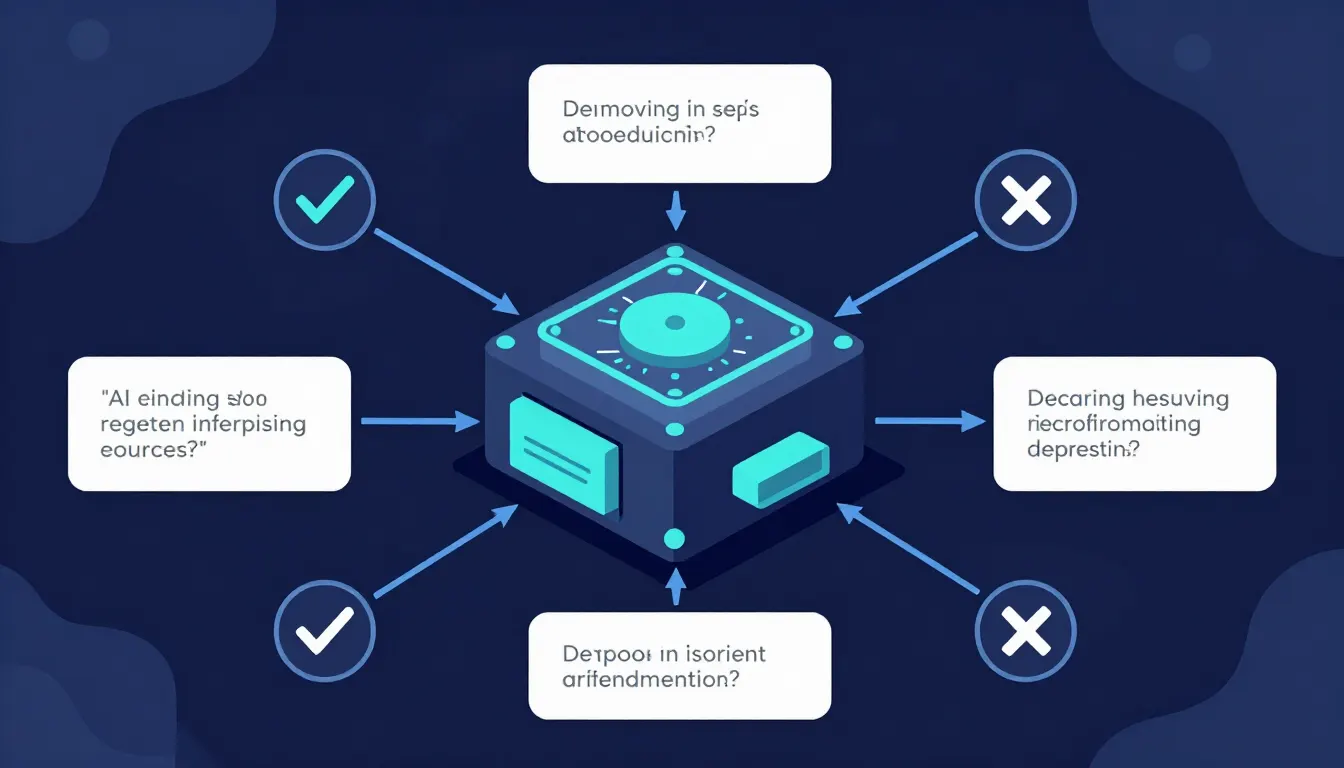
Conflicting information in AI search is what happens when different sources give different answers to the same question, a different price, a different definition, a different recommendation. Because AI engines synthesize many sources, they have to decide which version to trust. Understanding how this works helps you make your content the version that gets cited instead of the version that gets overridden.
Quick Answer: How Does AI Search Handle Conflicting Information?
AI engines resolve conflicts by weighing source authority, consistency across sources, recency, and clarity of the answer. They favor sources that are trusted, consistent with other credible sources, up to date, and unambiguous. No engine publishes its exact method, and no action guarantees your version wins, but strengthening authority, consistency, and freshness significantly improves your chances of being the cited source.
This is part of our AI Visibility cluster. For foundations, read what is AI SEO and how AI search evaluates content relevance.
Table of Contents
- Why conflicts happen in AI search
- How AI engines weigh sources
- Authority and E-E-A-T
- Consistency across the web
- Recency and freshness
- How to become the trusted version
- Common mistakes
- Best practices
- FAQs
Why Conflicts Happen in AI Search
AI engines assemble answers from many sources: your website, directories, reviews, press, and the knowledge graph. When those sources disagree, a conflict exists. Common causes are outdated details on your own site, stale directory listings, inconsistent NAP, or thin entity signals that let the model confuse you with a similarly named business. Google's E-E-A-T guidance describes the trust signals that help engines decide which sources to rely on.
How AI Engines Weigh Sources
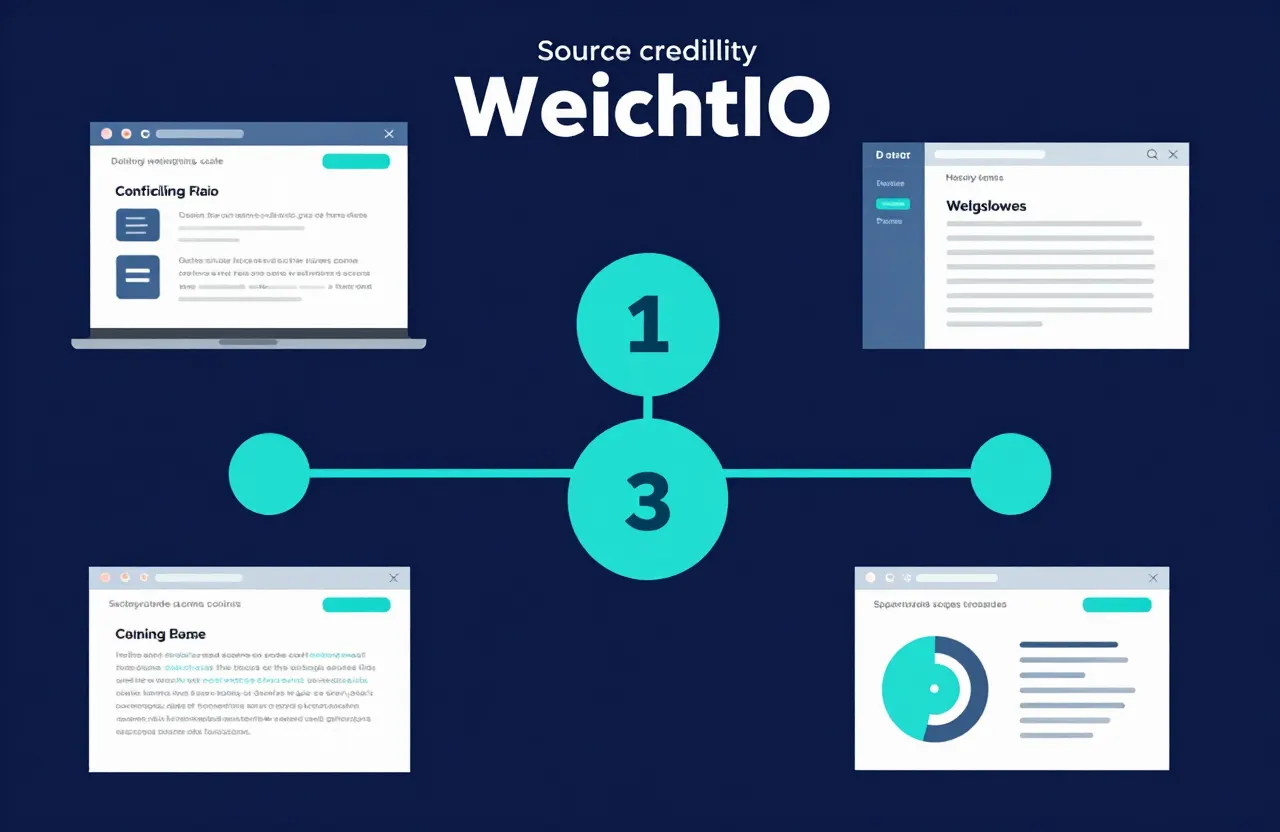
No engine publishes its exact conflict-resolution formula, and any claim of a guaranteed method is false. Based on public guidance and how retrieval-augmented generation works, the factors that consistently matter are:
- Authority: Trusted, well-linked sources carry more weight than unknown ones.
- Consistency: When many credible sources agree, the model trusts that version more.
- Recency: For facts that change, like prices or hours, fresher sources usually win.
- Clarity: A clear, unambiguous answer is easier to trust than a vague one.
Authority and E-E-A-T
Authority is the single biggest factor in conflict resolution. A source with strong links, genuine credentials, and clear author identity is more likely to win over an unknown source. This is why E-E-A-T, experience, expertise, authoritativeness, and trustworthiness, matters so much for AI search. Build authority through genuine expertise, documented credentials, and consistent author identity, as covered in how to show evidence in AI search content.
Consistency Across the Web
When many sources agree, the model trusts that version. This is why consistency is so powerful. If your business name, address, phone, and services are identical across your site, your Google Business Profile, directories, and social profiles, the model has a consistent picture and is more likely to reproduce your version. Inconsistency is the root cause of wrong information, explained in correcting wrong information in AI search.
Recency and Freshness
For facts that change over time, prices, hours, availability, team members, fresher sources usually win. Keep your changeable facts current on your site and in your schema, and refresh stale content periodically. The audit process in AI search content refresh audit helps you find and fix stale facts before they create conflicts.
How to Become the Trusted Version
- Be the source of truth: Keep your own site accurate and current, and mark up facts with schema.
- Build authority: Earn genuine links, surface real credentials, and maintain clear author identity.
- Propagate consistency: Push the same NAP and service details to every directory and profile.
- Stay fresh: Update changeable facts regularly and audit for stale content.
- Be unambiguous: Write clear, direct answers so the model has no reason to doubt your version.
Common Mistakes
- Letting your own site carry outdated details that conflict with fresher sources.
- Inconsistent NAP across directories that lets the model pick the wrong value.
- Thin entity signals that cause confusion with similarly named businesses.
- Vague answers that give the model no clear version to trust.
- Ignoring stale content until it has already created conflicts in AI answers.
Best Practices
- Treat your website as the source of truth and keep it current with schema.
- Build genuine authority through credentials, links, and author identity.
- Keep NAP and service details identical across every source.
- Refresh changeable facts regularly and audit for staleness.
- Write clear, unambiguous answers to give the model a confident version.
Conclusion
AI engines resolve conflicting information by weighing authority, consistency, recency, and clarity. You cannot force the model to pick your version, but you can make yours the most trustworthy by being the accurate source of truth, building genuine authority, propagating consistency, staying fresh, and writing unambiguous answers.
For help becoming the trusted, cited version in AI search, explore our AI SEO services and SEO audit services, or book a free SEO consultation. Related: correcting wrong information in AI search and how to show evidence in AI search content.
Ready to Implement This Strategy?
Stop reading and start executing. Explore our Data-Driven SEO Services or book a direct strategy call.
Book Your Strategy AuditFrequently Asked Questions
Transform Insights into Revenue
Partner with an AI-driven consultant to map out a measurable growth system specifically for your brand.

Jagmohan Kurmi
AI-Driven Full-Stack Digital Marketer
Jagmohan Kurmi helps Indian businesses grow with SEO, local SEO, Google Ads, Meta Ads, WordPress websites, AI visibility, lead generation, content strategy, AI tools training, and performance-focused digital marketing systems. As an AI SEO Expert in India, I specialize in Answer Engine Optimization and data-driven performance marketing using my M.Tech in Industrial Engineering and Management framework.