How Entity SEO Helps AI Search Visibility
Most explanations of entity SEO list the practices: add schema, keep your details consistent, connect your profiles. What they rarely explain is the mechanism, why any of that changes whether ChatGPT names you or Google AI Overviews cites you. The connection is simpler than it sounds, and understanding it changes how you prioritize the work. This guide walks through the actual chain between entity clarity and AI search visibility.
Quick Answer: How Does Entity SEO Help AI Search Visibility?
Entity SEO helps AI search visibility by giving AI engines a confident, unambiguous picture of who you are, what you do, and how you relate to other things. Generative engines prefer sources they can describe without risk of error. A business with a clear, consistent, corroborated entity is safe to name and cite; a fuzzy one is not. Entity work does not force citations, it removes the uncertainty that gets you skipped.
Table of Contents
- The mechanism: why AI engines prefer clear entities
- How each entity practice feeds visibility
- What entity work does not do
- Where to start based on your situation
- Common mistakes
- FAQs
The Mechanism: Why AI Engines Prefer Clear Entities
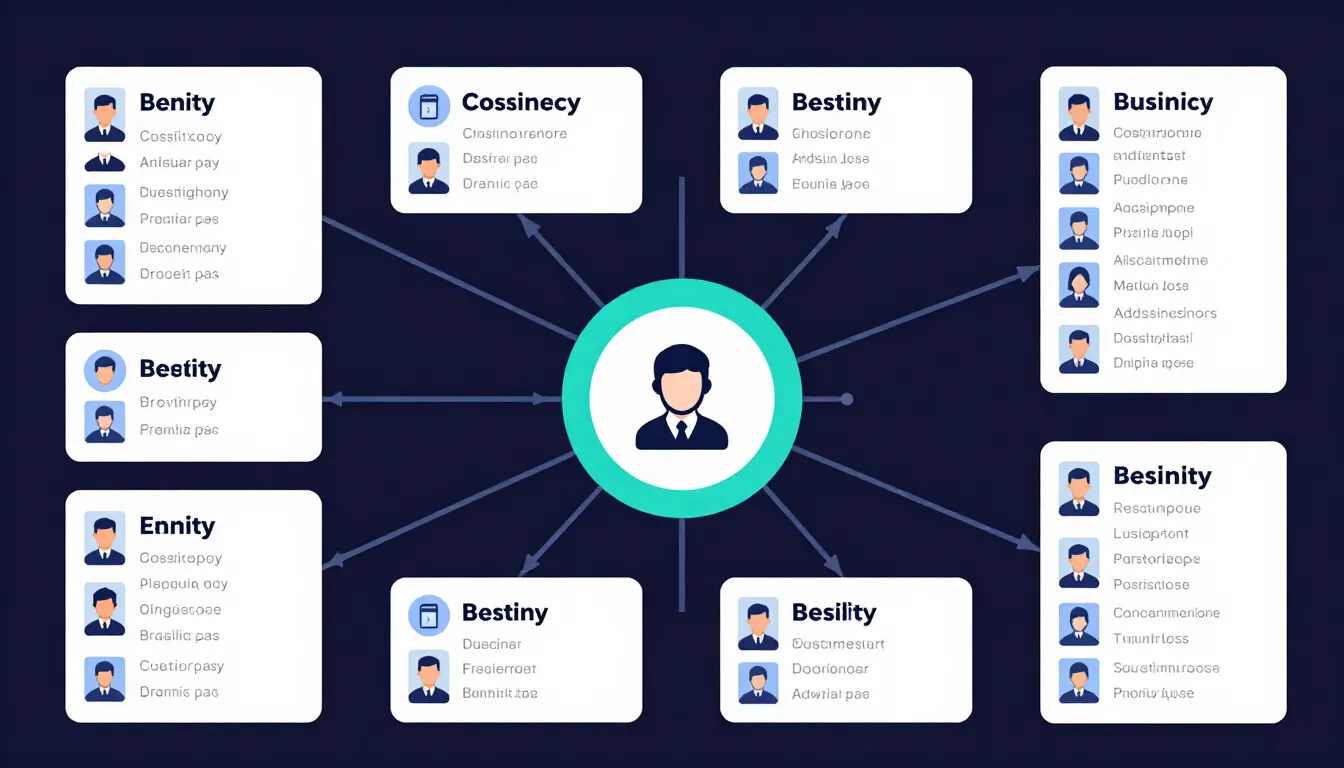
A generative engine answering a question about your industry has to decide which businesses to mention. Getting a fact wrong in a generated answer is a failure state for the model, so engines gravitate toward sources whose identity they can resolve with confidence. That confidence comes from agreement. When your website, your Google Business Profile, your directory listings, and independent mentions all state the same facts about your business, the model can describe you in a sentence without risk. When they conflict, the model has to guess, and guessing usually means hedging you out of the answer entirely.
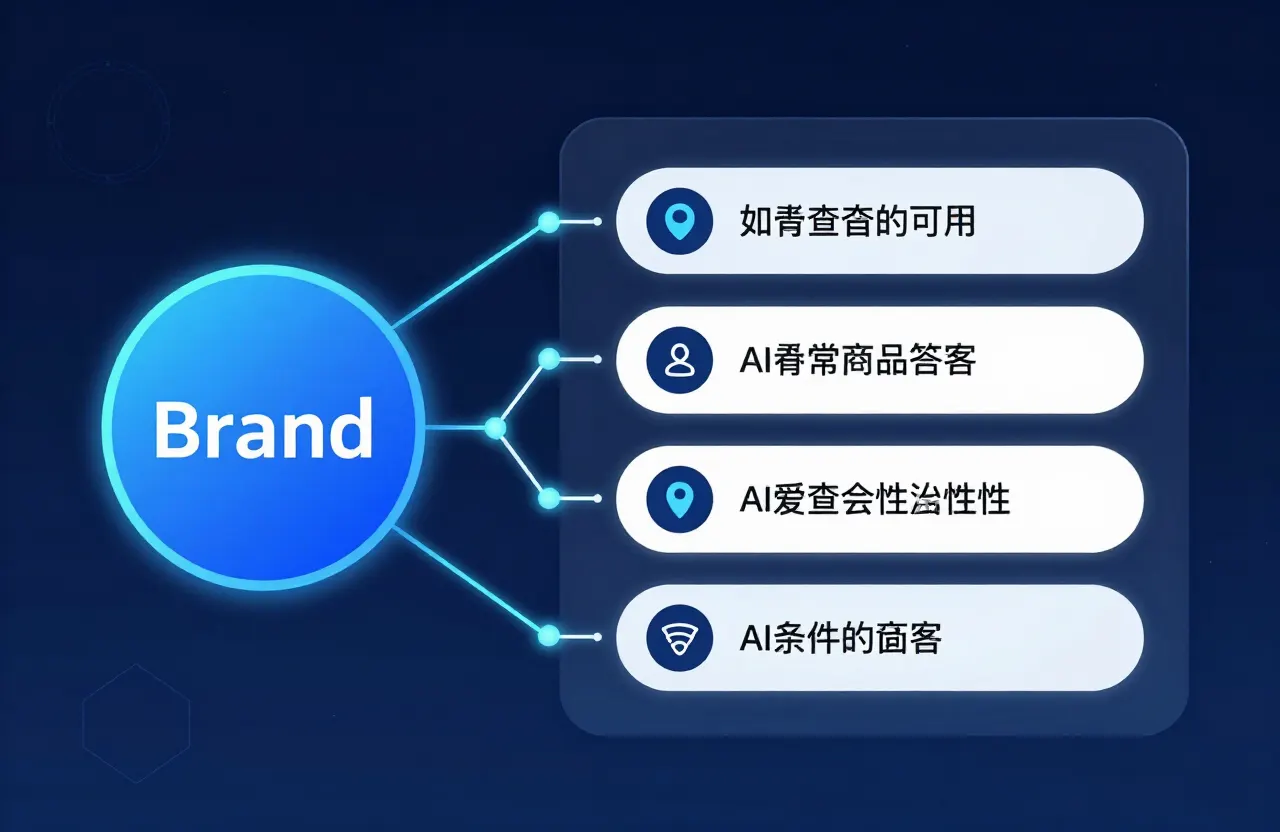
This is why entity work sits underneath AI visibility rather than beside it. The engine is not ranking your page in isolation; it is deciding whether your business is a thing it knows well enough to talk about. That decision is what how AI search understands brands describes, and it is built from entity signals.
How Each Entity Practice Feeds Visibility
Structured data gives the machine a definition
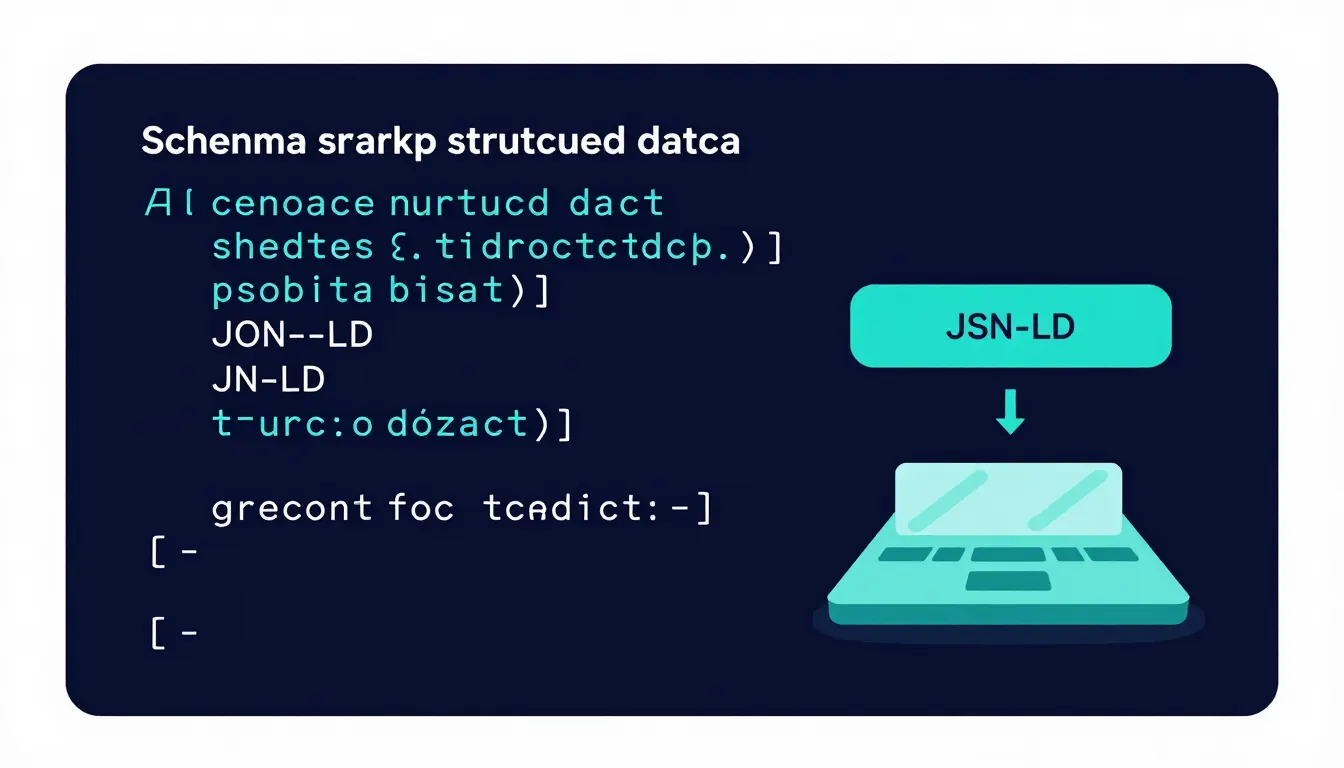
Organization and Person schema with a stable @id is your entity's formal definition. It states your name, what you do, where you are, and who is connected to you, in a format that needs no interpretation. Without it, the engine assembles your identity from prose and guesses. With it, the definition is explicit. The implementation details are in schema markup for AI search.
Consistency removes the guesswork
Every conflicting phone number or service list across the web is a small vote of no confidence in your entity. Consistency work, keeping one canonical version of your facts everywhere, is the practice of making every source agree. The method is documented in maintaining entity consistency for AI search. Its effect on visibility is indirect but real: agreement raises confidence, and confidence raises the odds of being named.
sameAs connections consolidate your footprint
Your LinkedIn page, your directory listings, and your social profiles are separate documents until something links them. The sameAs property in your schema tells the engine they all describe one entity. A consolidated footprint means every mention, review, and listing anywhere reinforces the same entity instead of scattering into fragments.
Relationships place you in context
An entity gains meaning through its relationships: founder of, located in, offers, serves. When your schema and content state these explicitly, the engine can place you in the right context for a query. A consultant whose entity is connected to a city, an industry, and a set of services is matchable against questions involving any of them. This is the layer most businesses skip, and it is what separates a named entity from a name that appears in a list.
Topical association makes you the answer for your subject
Entities are also associated with topics. A business that publishes deeply and consistently on one subject becomes associated with that subject in the picture the engine builds of your industry. That association is what makes you a candidate when someone asks a question in your domain, not just when they search your name. Building it is covered in topical authority for AI search.
What Entity Work Does Not Do
Being honest about the limits keeps the work prioritized correctly. Entity SEO does not guarantee a citation in any specific answer. It does not substitute for helpful content, a fast site, or genuine authority. And it does not produce overnight change; engines re-ingest and re-evaluate sources on their own schedules, so entity improvements show up in AI answers over weeks and months, not days. What it does is make you describable, so that when a query does match your profile, the engine can name you accurately instead of hedging past you. For the full picture of what drives visibility beyond entity work, read how to build AI search visibility.
Where to Start Based on Your Situation
- AI describes you wrongly or not at all: Start with a canonical factsheet and consistency fixes. See how to correct wrong business information in AI search.
- You are described correctly but never cited: Your entity is fine; your content layer is the gap. Move to answer-first writing and structure, covered in the answer engine optimization guide.
- You are cited for brand queries but not topic queries: The gap is topical association. Build depth around your subject with interlinked coverage.
- You have schema but fragmented profiles: Consolidate with sameAs and align every listing to your factsheet.
Common Mistakes
- Treating entity SEO as schema only, when consistency and relationships carry most of the weight.
- Expecting entity work to fix a content problem; a perfectly defined entity with thin content still loses.
- Changing identifiers or business names mid-stream, which resets the entity picture you were building.
- Measuring entity work by rankings instead of by how accurately AI engines describe you.
Conclusion
Entity SEO helps AI search visibility through one mechanism: confidence. Structured data defines you, consistency makes every source agree, sameAs consolidates your footprint, relationships place you in context, and topical depth associates you with your subject. None of it forces an AI engine to cite you, but all of it removes the uncertainty that gets businesses skipped. Do the entity work first when your descriptions are wrong, and move to content work once the engine describes you accurately.
If you want this work done for your business, our entity SEO services and AI visibility services cover the full entity layer. Or book a free consultation. For the foundations, read entity SEO explained and how to build strong brand entity signals.
Ready to Implement This Strategy?
Stop reading and start executing. Explore our Data-Driven SEO Services or book a direct strategy call.
Book Your Strategy AuditFrequently Asked Questions
Transform Insights into Revenue
Partner with an AI-driven consultant to map out a measurable growth system specifically for your brand.

Jagmohan Kurmi
AI-Driven Full-Stack Digital Marketer
Jagmohan Kurmi helps Indian businesses grow with SEO, local SEO, Google Ads, Meta Ads, WordPress websites, AI visibility, lead generation, content strategy, AI tools training, and performance-focused digital marketing systems. As an AI SEO Expert in India, I specialize in Answer Engine Optimization and data-driven performance marketing using my M.Tech in Industrial Engineering and Management framework.