How to Make Your Business Easier for AI Search Engines to Understand
There is a difference between a website an AI can read and a business an AI can understand. Your site might be fast, structured, and schema-marked, and yet when someone asks ChatGPT "who does X in my city," you do not come up, because the model's picture of your business is assembled from far more than your website. It is assembled from your Google Business Profile, directories, reviews, social profiles, and how consistently all of those say the same thing. This guide is about that bigger picture, how to make your business itself legible to AI search engines.
Quick Answer: How Do You Make a Business Easier for AI to Understand?
Write down one canonical version of your business facts, name, one-sentence description, services, service area, and contact details, and publish it identically on your website, Google Business Profile, directories, and social profiles. Describe each service in plain language a non-expert can repeat. Make your location and relationships explicit. Then earn accurate mentions on a few reputable third-party sites so independent sources confirm the same picture.
Why the Business, Not Just the Website, Is the Unit of Understanding
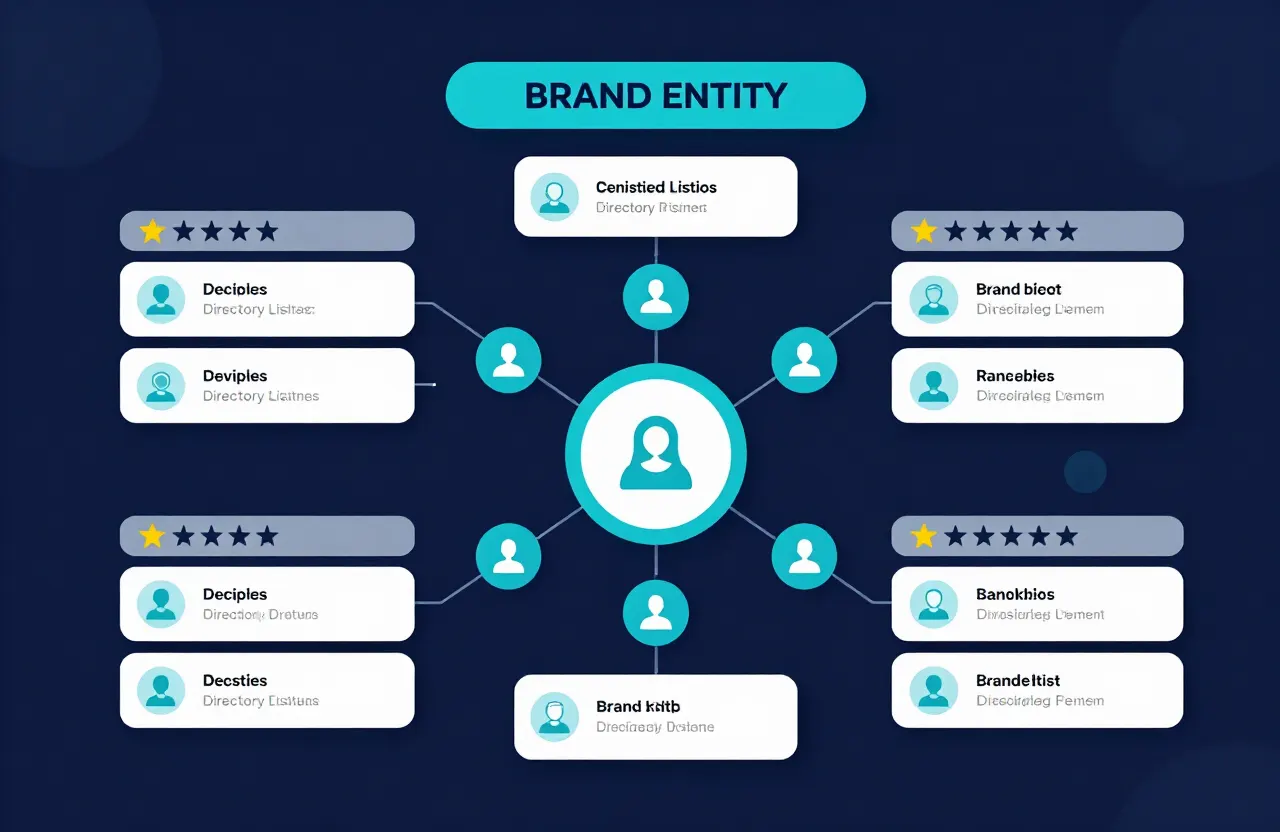
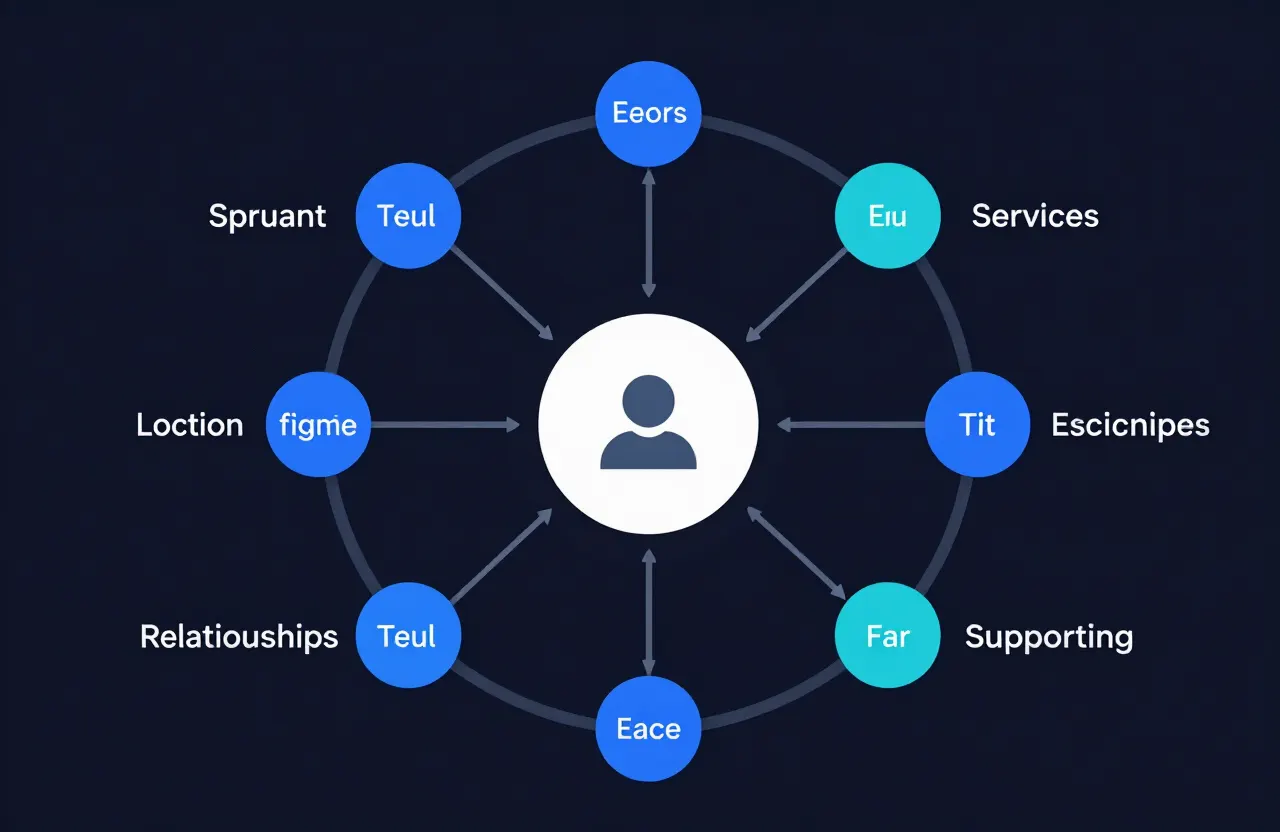
AI engines consolidate many sources into one entity, a single understood thing called your business. When the sources agree, the entity is sharp and the model describes you confidently. When they disagree, the entity is fuzzy and the model hedges, describes you partially, or omits you in favour of a competitor whose picture is cleaner. This is why two businesses with similar websites can get very different AI visibility: the difference is usually in the consistency of everything around the site. The mechanics of this are covered in how AI search understands brands.
Step 1: Write One Canonical Version of Your Facts
Most inconsistent entities come from the same root cause: nobody ever wrote down the official version, so every page, profile, and listing improvised its own. Fix that with a single factsheet:
- Exact business name, including any abbreviations you do and do not use.
- One sentence describing what you do, in plain language.
- Your full service list, named the way customers name them.
- Your service area, cities or regions, stated explicitly.
- Contact details, phone, email, address, identical everywhere.
- Founder or key people, with their roles.
This is the brand factsheet method. Every listing, page, and schema block should be copied from it, not written fresh.
Step 2: Describe Your Services the Way a Customer Would Ask
AI engines match natural-language questions to content. If your services are described in internal jargon, "integrated growth enablement solutions," the model struggles to connect you to "how do I get more customers for my shop." Rewrite each service description so a non-expert could repeat it accurately after reading it once. One sentence per service, plain nouns, no invented category names. This is the same discipline as creating an AI-readable service page, applied across your whole footprint.
Step 3: Make Location and Relationships Explicit
Two facts businesses routinely leave implicit are where they serve and who they are connected to. If your city or region is not stated in plain text on your site and profiles, local recommendation questions have nothing to match against. Likewise, if you have genuine relationships, partnerships, industry associations, a parent company, a founder with a public professional history, state them in text and schema, because relationships are how an entity gets placed in context. For the local dimension specifically, see how local businesses can improve AI search visibility.
Step 4: Get Independent Sources Confirming the Same Picture
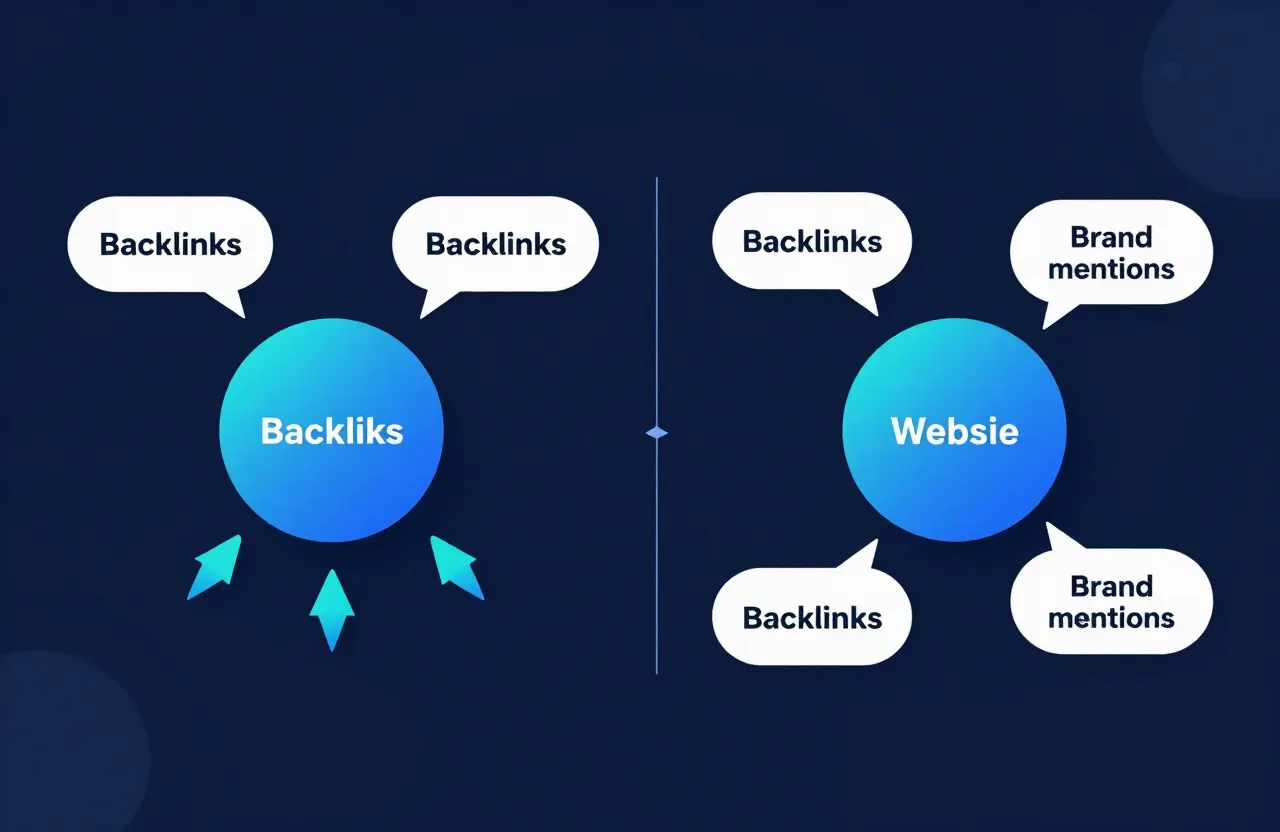
A model trusts a picture that several independent sources agree on. Your own site is one source. Your Google Business Profile, consistent directory listings, genuine reviews, and accurate mentions on reputable sites in your industry are the corroboration. You do not need hundreds, you need a handful that all state the same facts. Never fabricate reviews or buy mentions; when detected, they damage the exact trust you were building. How mentions work is covered in how to get cited in AI search.
Step 5: Keep It Consistent as You Grow
Understanding decays. You add a service, rename a package, move an office, and half your footprint updates while the rest keeps the old facts, and the entity gets fuzzy again. Assign one owner for the factsheet, update it first, and propagate from it whenever anything changes. This ongoing discipline is what maintaining entity consistency covers in depth.
What You Cannot Control
Being clear about limits: even a perfectly consistent business is not guaranteed a place in any specific AI answer. Models weigh competition, authority, and their own opaque selection processes. What clarity does is make you describable, so that when a query does match your profile, the model can name you accurately instead of hedging past you. That is the realistic goal.
Common Mistakes
- Different service lists on the website, Google Business Profile, and directories.
- Jargon service descriptions no customer would ever type.
- Service area left implicit because "it's obvious from our city."
- Old addresses or phone numbers still live on stale directory listings.
- Fabricated reviews or bought mentions, which corrode trust when detected.
- No single owner of the facts, so every new listing improvises.
Conclusion
Making your business easy for AI search engines to understand is mostly an act of consolidation: one canonical factsheet, propagated everywhere, described in customer language, with location and relationships stated explicitly, and a few independent sources confirming the same picture. It is unglamorous work, and it is the reason some small businesses get named in AI answers while larger competitors stay invisible.
If you want help making your business entity clear, our entity SEO services and AI visibility services do exactly this work. Or book a free consultation. Related reading: how AI search understands brands and maintaining entity consistency.
Ready to Implement This Strategy?
Stop reading and start executing. Explore our Data-Driven SEO Services or book a direct strategy call.
Book Your Strategy AuditFrequently Asked Questions
Transform Insights into Revenue
Partner with an AI-driven consultant to map out a measurable growth system specifically for your brand.

Jagmohan Kurmi
AI-Driven Full-Stack Digital Marketer
Jagmohan Kurmi helps Indian businesses grow with SEO, local SEO, Google Ads, Meta Ads, WordPress websites, AI visibility, lead generation, content strategy, AI tools training, and performance-focused digital marketing systems. As an AI SEO Expert in India, I specialize in Answer Engine Optimization and data-driven performance marketing using my M.Tech in Industrial Engineering and Management framework.